AI Glossary

Browse our AI glossary for clear definitions of artificial intelligence, machine learning, and large language model terms, complete with use cases and examples to understand each concept in practice.

Browse AI Glossary (Alphabetically)

What Is Edge Computing?

Edge computing is a way of processing data closer to where it is created, rather than sending everything to distant cloud servers. This approach reduces delays, improves response time, and helps systems work faster.

All these make edge computing all the more vital in situations where real-time processing matters.

This local processing helps applications respond quickly without waiting for data to travel long distances.

Common components involved in edge computing are:

  • Edge devices: Sensors, cameras, smartphones, or IoT (Internet of Things, which is a network of devices connected with each other) devices that generate data
  • Edge servers or gateways: Local systems that process or collect data near the source
  • Cloud platforms: Used for deeper analysis, storage, or long-term processing

Edge computing is useful for applications that require fast decision-making, continuous data streams, or low network latency.

Types of Edge Computing

Depending on where the data processing takes place, edge computing can be divided into:

  1. Device edge: In device edge, data processing happens directly on devices such as IoT sensors or smart cameras. This avoids sending data to the cloud and reduces latency.
  2. On-premise edge: Here, computing resources, like local servers or IoT gateways, deployed at the organization’s physical location, are used for data processing
  3. Network edge: At the network edge, telecom or internet provider infrastructure, such as mobile network hubs or ISP nodes, is used to process data.
  4. Regional edge: Here, workloads run in smaller data centers located closer to users than traditional cloud regions.

What Are the Applications of Edge Computing?

Edge computing is used in industries where fast data processing and low latency are critical. By processing data near the source, organizations can respond to events quickly without relying entirely on distant cloud servers.

Common applications of edge computing include:

  • Smart cities: Traffic cameras and sensors process data locally to manage traffic flow and improve public safety.
  • Autonomous vehicles: Cars analyze data from cameras and sensors instantly to make driving decisions in real time.
  • Industrial automation: Factories use edge systems to monitor machines, detect faults, and prevent downtime.
  • Healthcare devices: Wearables and medical sensors process patient data quickly for continuous monitoring.
  • Retail analytics: Smart cameras track customer movement and inventory levels inside stores.
  • Content delivery and streaming: Edge servers store and deliver media closer to users, reducing buffering and latency.

These applications benefit from faster response times, reduced network congestion, and more reliable real-time data processing.

Why Is Edge Computing Important for Businesses?

Edge computing helps businesses process data closer to where it is generated. This reduces delays and improves system performance. As a result, businesses can make decisions where real-time responses matter.

This improves efficiency while supporting more responsive digital services.

Benefits of Edge Computing Solutions

Edge computing solutions provide several operational advantages for businesses:

  • Lower latency: Data is processed near the source, enabling faster responses.
  • Improved reliability: Systems can continue to work even with limited cloud connectivity.
  • Reduced bandwidth usage: Only necessary data is sent to the cloud for storage or deeper analysis.
  • Real-time insights: Businesses can detect issues or opportunities immediately.
  • Better user experiences: Applications such as video streaming, gaming, and IoT services perform more smoothly.

These benefits make edge computing valuable for industries that rely on real-time analytics and connected devices.

Challenges of Edge Computing Solutions

Despite its advantages, edge computing also presents certain challenges:

  • Infrastructure complexity: Managing multiple edge devices and local servers can increase operational complexity.
  • Security risks: Distributed devices create more points of vulnerability, increasing overall risk.
  • Higher setup costs: Deploying edge hardware and local processing systems requires upfront investment.
  • Maintenance requirements: Devices deployed across many locations require regular monitoring and updates.

Businesses often combine edge computing with cloud systems to balance performance, scalability, and cost.

Edge Computing vs Cloud Computing

Both edge computing and cloud computing help businesses process and manage data. But they operate in different ways.

The table below highlights the main differences between the two approaches:

Aspect Edge Computing Cloud Computing
Processing Location Data is processed close to the device or data source Data is processed in centralized cloud servers
Latency Very low latency due to local data processing Higher latency because data travels to remote servers
Response Speed Supports real-time decision-making and fast responses Better for large-scale processing rather than instant responses
Bandwidth Usage Reduces bandwidth by filtering and processing data locally Requires continuous data transfer to cloud infrastructure
Internet Dependency Can function even with limited or unstable connectivity Typically requires reliable internet access
Common Use Cases IoT systems, smart devices, autonomous vehicles, real-time analytics Data storage, enterprise applications, backups, large-scale analytics
Infrastructure Model Distributed computing across edge devices and local servers Centralized infrastructure managed in cloud data centers

Examples of Edge Computing

Here are a few examples of edge computing in real life:
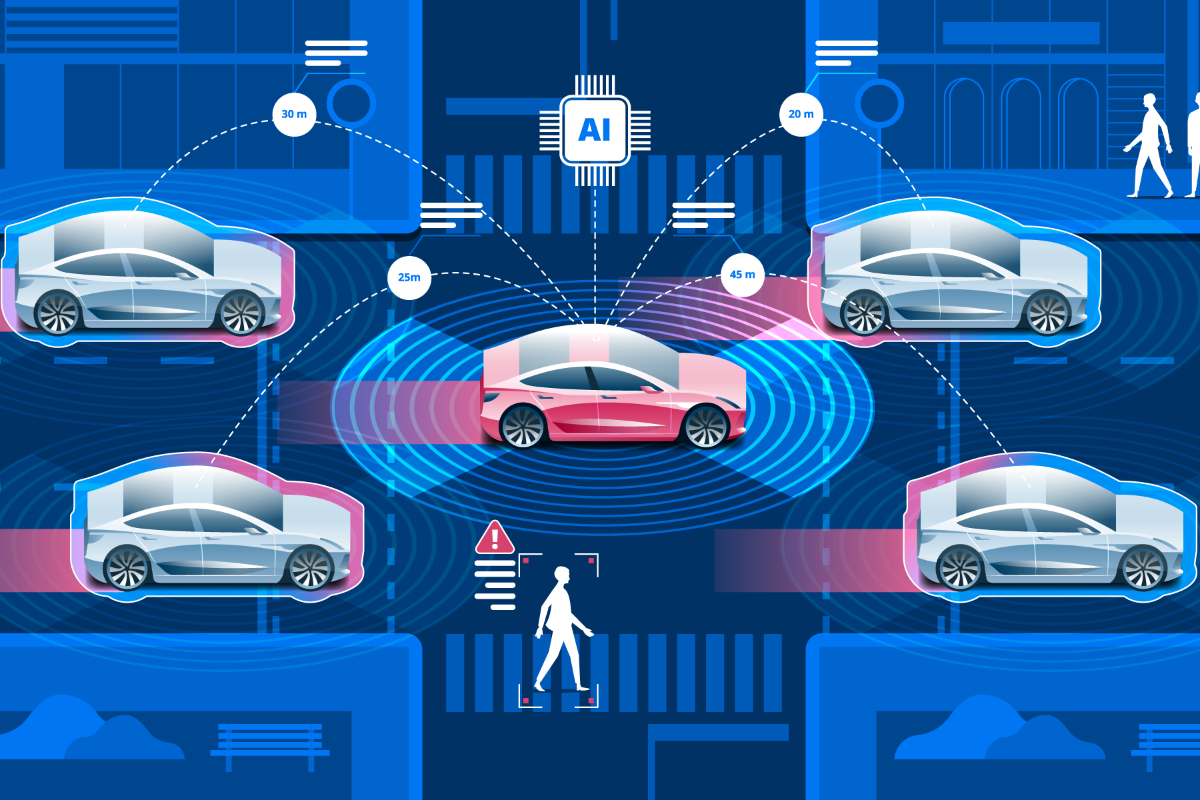
Autonomous Vehicles: Tesla Autopilot

Self-driving systems in Tesla vehicles process camera and sensor data directly inside the car to detect obstacles, lanes, and traffic signals in real time.

This local processing allows the vehicle to react instantly without relying on cloud connectivity.
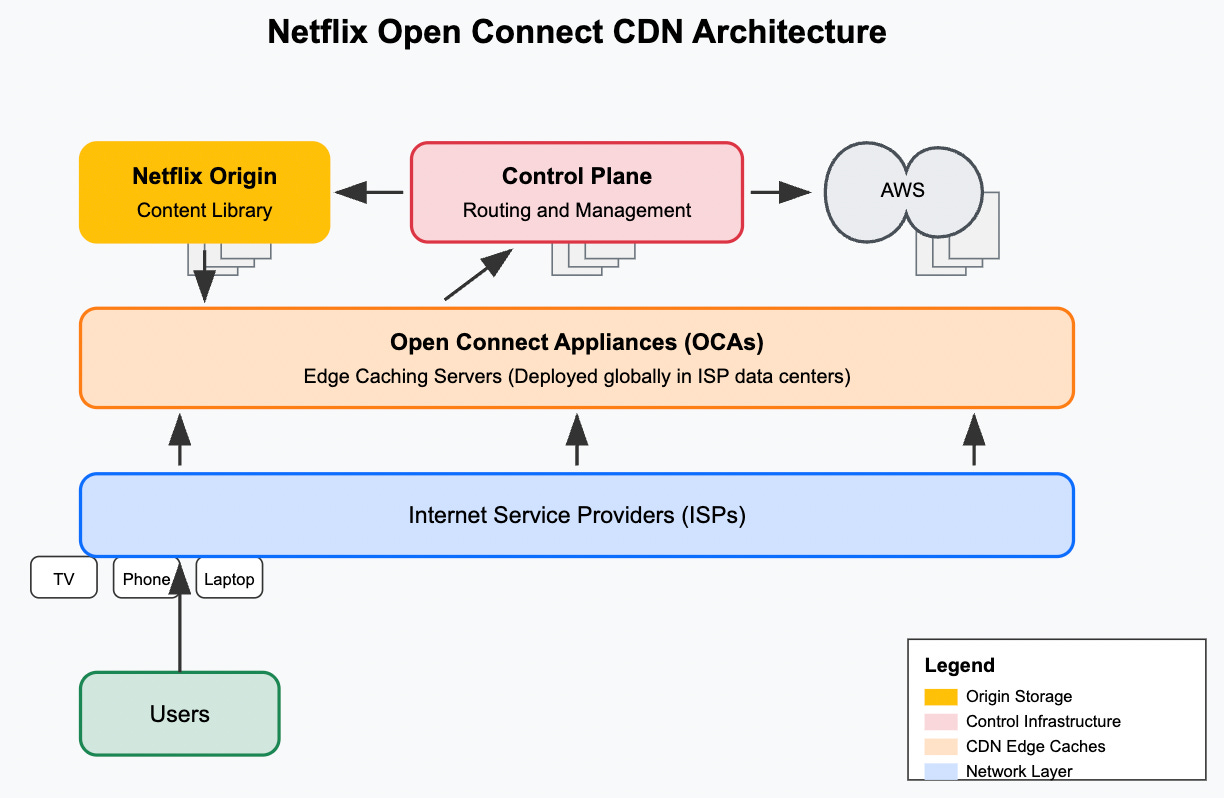
Content Delivery Networks: Netflix/Disney+

Streaming platforms like Netflix use edge servers located closer to users to deliver video content quickly.

By storing and processing content at the network edge, these systems help:

  • Reduce buffering
  • Ensure lower latency
  • Improve streaming quality

Edge computing brings data processing closer to where information is created. This reduces latency, improves reliability, and enables real-time decisions. As connected devices grow, edge computing systems will play a key role in supporting faster, smarter digital systems.

Get in touch with us

Create voiceovers, build AI voice agents, and dub content into multiple languages. Powering 10 million+ developers and creators worldwide.