How to Start Vlogging: Create, Record & Grow Your YouTube Channel



If you want to know how to start a vlog that actually grows, then you have picked the right time to learn.
YouTube now has 2.85 billion users. Experts expect the creator economy to reach $528 billion by 2030. Vlogging (or video blogging) builds an audience and generates income better than most other content creation methods.
This guide shows you exactly what to do. You will learn to pick a niche and select the best video platform. We explain how to set up affordable gear, film, and edit your first video for the best possible visual and audio quality. You will also learn to grow a loyal following on YouTube, Instagram, and TikTok.
Use these strategies to stand out and make money if you're learning how to become a vlogger. They work whether you want to become a full-time vlogger or just start vlogging on YouTube.
How Do I Start Vlogging?

A vlog (video blog) is video content in which creators share experiences, expertise, or stories through recorded videos rather than written text. While traditional blogging relies on articles and images, vlogging is a little different. It’s a different way of doing the same thing.
So, how do you vlog? In simplest terms, you film, edit, and publish video content on social media platforms such as YouTube, Instagram, and TikTok.
Vlogging can be done in multiple formats, such as daily life documentation, tutorial-style teaching, product reviews, travel diaries, or behind-the-scenes brand content.
There are different types of vlogs, such as:
Personal/Lifestyle Vlogs
- Daily routines, life updates, personal stories
- Building a personal brand and connecting with like-minded target audiences
Brand/Business Vlogs
- Behind-the-scenes company content
- Product launches, demos, and tutorials
- Building brand authenticity and trust
Educational/Tutorial Vlogs
- Teaching skills (cooking, fitness, tech, design)
- How-to guides and step-by-step instructions
Niche-Specific Vlogs
- Travel vlogs documenting destinations
- Review vlogs (tech, beauty, gaming)
- Industry-specific content (real estate tours, fitness training)
Entertainment Vlogs
- Comedy sketches and storytelling
- Challenge videos and trending content
- Day-in-the-life of specific professions
Documentary-Style Vlogs
- Event coverage and conferences
- Social causes and advocacy
- Long-form storytelling projects
Whether you're building a personal brand, promoting a business, or establishing authority in a niche, vlogging offers a more intimate connection with viewers who can see and hear you directly.
Planning Your Vlog Strategy
Before filming, you need clarity on what you'll create, who you'll reach, and how you'll stand out.
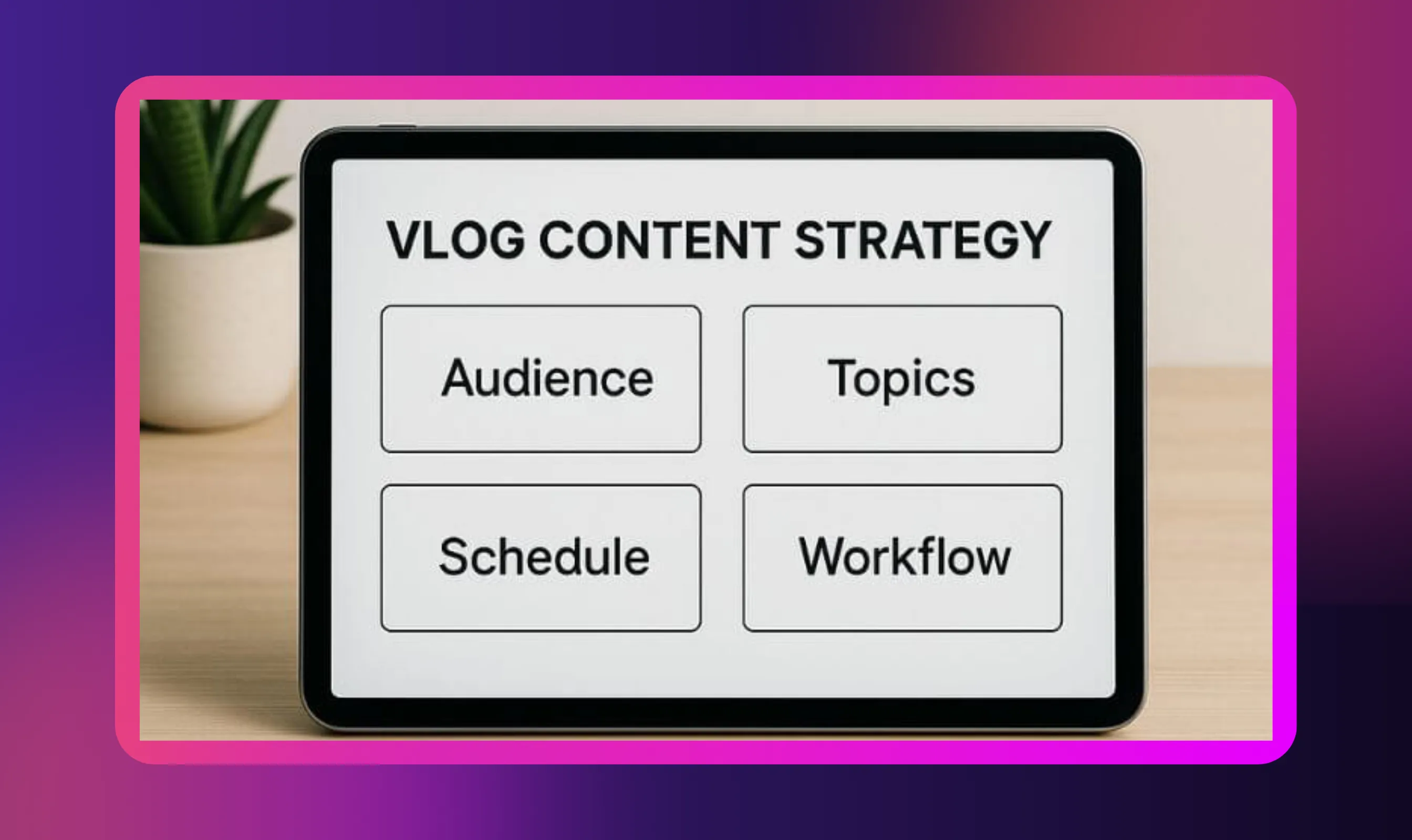
Choosing Your Niche and Defining Your Target Audience
Selecting the right niche determines your channel's long-term success. Popular vlogging niches in 2026 include daily life, travel, technology, food and cooking, gaming, DIY and crafts, personal finance, and beauty and fashion.
When choosing how to start a vlog, pick a niche you're genuinely passionate about and can explore deeply. Your enthusiasm keeps you consistent when growth feels slow. Then define your target audience.
If you're creating women's fashion vlogs, your primary viewers are women and teenage girls; technology content attracts IT enthusiasts and tech lovers.
Research audience demographics and watch behavior using YouTube Analytics to understand who watches similar content and what they engage with most.
Analysing Competition and Finding Your Unique Angle
Competitor analysis sharpens your edge. Start by searching YouTube for relevant keywords and hashtags related to your niche, then identify 5-10 top competitors. Track their subscriber count, video frequency, content types, video titles, study their editing process, and audience engagement patterns.
Ask yourself:
- What topics do they discuss?
- How often do they publish?
- What are their most popular videos from the past year?
- Do they have recurring series or interactive elements, such as polls and clickable links?
The goal isn't to copy; watching your competitors' videos will help you identify gaps and opportunities that turn into your video ideas. Find what they're missing and deliver it better, whether that's a unique filming style, more profound expertise, or a distinct personality that resonates with viewers.
Branding Your Channel: Name, Style, and Voice
Consistent branding builds recognition and trust. Focus on five key elements: consistency, logo, color palette, typography, and imagery. Your visual identity should translate across banners, video thumbnails, channel icons, branding watermarks, intro/outro sequences, and end screens.
Choose a channel name that's memorable and reflects your niche. Create custom thumbnails that follow a uniform visual style, with attention-grabbing colors, fonts, and images that align with your brand.
Your tone and voice matter equally, whether you're educational, entertaining, or inspirational. Maintain that personality across videos to build familiarity. Add your logo to channel banners and use watermarks to protect content while increasing brand recognition.
Setting Goals and Measuring Success
Define what success means for your channel by setting specific, measurable goals. Early-stage vloggers should focus on views, watch time, and subscriber growth, while established channels prioritize engagement rate, audience retention, and monetization metrics.
Key performance indicators (KPIs) to track include subscribers gained versus lost, unique viewers, average watch time, engagement (likes, comments, shares), and click-through rate on thumbnails.
Set milestones, such as reaching 1,000 subscribers for monetization eligibility or 4,000 watch hours. Monitor these metrics monthly using YouTube Analytics and adjust your strategy based on performance data. Remember, high engagement triggers YouTube's algorithm to surface your videos organically, expanding your reach.
Creating Compelling Vlog Content
Vlog Formats and Content Ideas That Work
Popular vlog formats in 2026 include "day in the life" documentation, travel diaries, tutorials and how-tos, behind-the-scenes brand content, and long-form storytelling. Suppose you're exploring how to start vlogging, or asking yourself, “How do I start vlogging?” In that case, authenticity drives success; 65% of women and 50% of men aged 16-34 watch vlogs weekly, specifically for genuine connections. Lifestyle vlogs, comprehensive educational series, and Q&A sessions remain highly consumed long-format content.
Choose formats aligned with your strengths: if you travel frequently, focus on destination guides to master travel vlogs; if you're skilled at explaining concepts, create tutorial-style content. The key isn't copying others but selecting video formats where your personality and expertise naturally shine through. Any course on “How to Start Vlogging” will always ask you to define your content strategy first, as it will help you grow authentically and connect with the right audience without wasting time and effort.
Crafting a Strong Hook and Structure for Each Video
The first 10 seconds determine viewer retention; 20% of viewers drop off during this window. Your opening should immediately spark curiosity, surprise, or recognition. Hook viewers in the first three seconds with a compelling question or unexpected visual, support your message with clear visuals by the fifth second, and establish what viewers will gain by the eighth second.
Adding captions increases view time by 12%, especially crucial for silent autoplay. Structure each video with a clear progression: an engaging intro, main content that delivers on your promise, and a call to action that encourages likes, comments, or subscriptions. While vlogging, match your energy to your message, use high-energy animations for exciting topics and steady pacing for serious content.
Thumbnails, Titles, and SEO for Vlogs
Eye-catching thumbnails dramatically impact click-through rates (CTR). Use high-resolution images (1280×720, up to 2MB), one bright focal point, often a person with an expressive face, and minimal bold text. High-contrast colors and clean layouts make thumbnails stand out on mobile screens, where 70% of YouTube viewing happens. Avoid misleading clickbait or text-heavy designs.
For titles, use concise, attention-grabbing language that accurately describes your video while sparking interest. Optimize descriptions by naturally integrating your primary keywords into the content, using relevant tags, and adding timestamps for longer videos. Also, make sure you include relevant keywords in your video titles. This is really helpful when you've just started creating content.
An underrated personal branding technique that we can share is to have the same background music in your videos. This way, the audience feels the consistent brand voice and recognizes the music with you, creating a strong brand recall.
This SEO foundation helps increase YouTube views by improving discoverability in search results and suggested videos.
Posting Strategy: Consistency, Schedule, and Series
Consistency trumps frequency. Channels that upload 12+ times per month get 53% more views and 66% more subscribers than those posting 1-3 times per month. For long-form vlogs, aim for 1-2 videos weekly; for Shorts, post daily or several times per week. Posting at consistent times helps your audience anticipate new content, and YouTube's algorithm favors regular schedules.
Successful vloggers create series, recurring themes, or multi-part stories that build anticipation and encourage viewers to return. Remix content across video platforms: a 10-minute YouTube vlog becomes Instagram Reels clips, TikTok teasers, and Twitter/X snippets, maximizing reach without additional filming.
Track performance through YouTube Analytics to refine your strategy based on watch time and engagement patterns.
Incorporating Shorts and Episodic Content
YouTube Shorts drive rapid channel growth by funneling viewers to your long-form vlogs. The three-click strategy works brilliantly: create a compelling Short, add your best long-form video as the pinned comment, and include it as the first video in your Short's description.
This converts viral Short momentum into sustained long-form views, watch time, and subscribers. Shorts tap into YouTube's 122 million daily users and earn higher engagement rates than traditional videos. Post Shorts frequently, daily if possible, to maintain visibility, while using them to preview upcoming vlogs or highlight key moments from existing content.
This dual strategy helps you make money on YouTube faster by driving both Short-form ad revenue and long-form monetization.
Enhancing Your Vlogs with Murf Dubbing
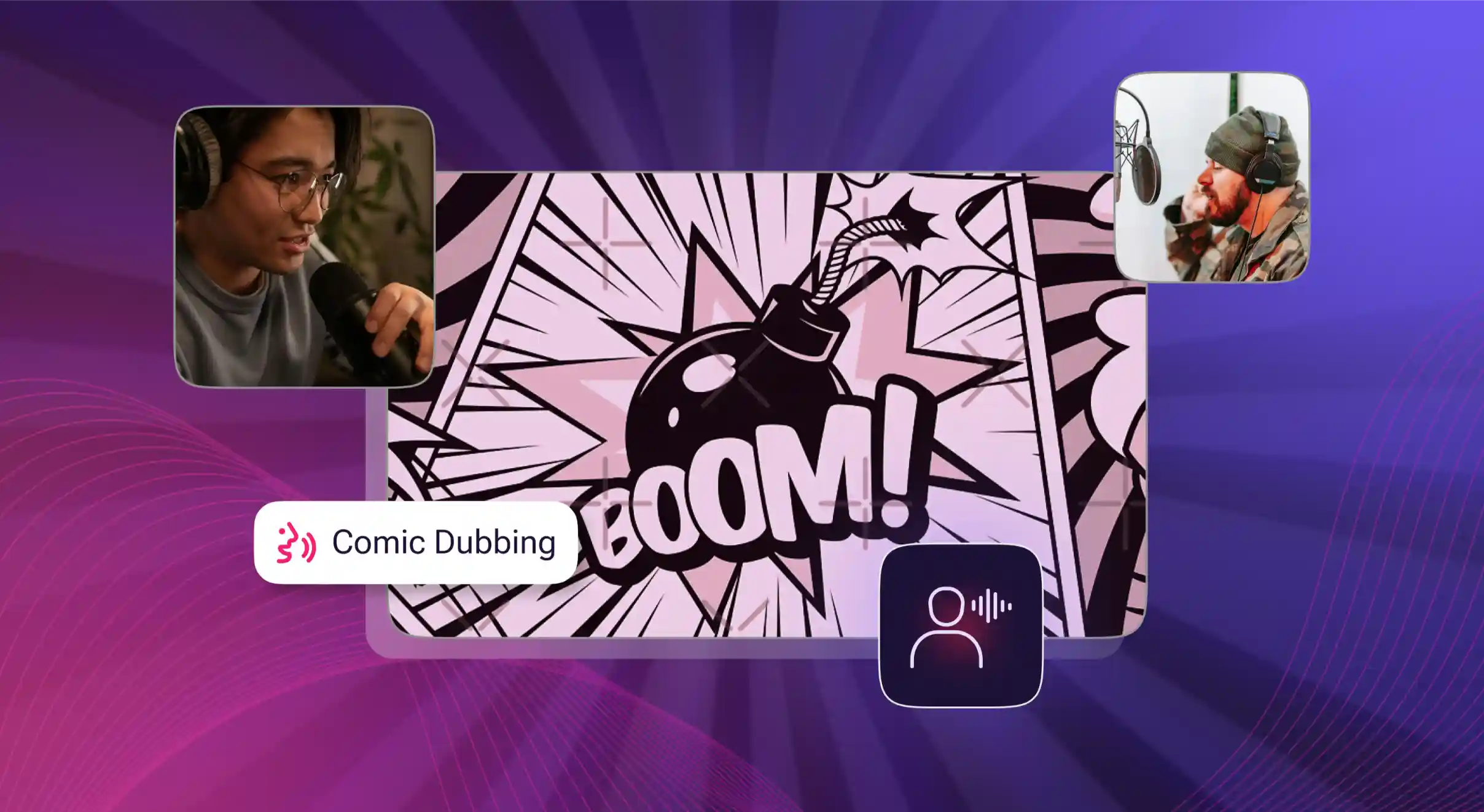
Record once and reach global audiences through multilingual dubbing. Murf enables vloggers to create dubbed versions in English, Hindi, Spanish, and dozens of other languages without re-recording content.
This strategy transforms a single vlog into multiple region-specific videos, exponentially expanding your potential viewership. If you're wondering how to start vlogging for international audiences, voice dubbing eliminates language barriers that limit channel growth.
Simply upload your original video to Murf, select target languages, and generate natural-sounding dubbed versions in minutes. This approach is compelling for tutorial content, product reviews, and educational vlogs, where your visual content remains relevant across cultures.
Leverage AI dubbing free trials to test this strategy before committing, then scale multilingual content production as your audience grows globally.
Why Start a Vlog in 2026?
The creator economy is projected to reach $528 billion by 2030, making 2026 an opportune moment to establish your presence. YouTube's 2.85 billion users create a massive audience potential across every imaginable niche. You can start vlogging for personal branding, which builds authority faster than text-based content. Viewers connect with faces and voices more intimately than written words.
Short-form video platforms like TikTok and Instagram Reels have normalized video consumption, meaning audiences actively seek video content across demographics. Monetization opportunities extend beyond AdSense: sponsored content, brand partnerships, affiliate marketing, digital products, coaching, and channel membership communities create diverse revenue streams.
For those asking how to become a vlogger, the barrier to entry has never been lower, smartphone cameras rival professional equipment, and free video editing software is widely available.
Popular Video Platforms and Formats to Consider
YouTube remains the dominant platform for long-form video format with unmatched monetization infrastructure and search engine visibility. YouTube Shorts complements long-form content, driving rapid growth through its 122 million daily user base.
TikTok's 1.8 billion active users make it ideal for short-form viral content and niche trends, and it supports videos up to 10 minutes. Instagram works best for lifestyle, fashion, and travel vlogs with its highly visual interface and Collab feature for creator partnerships.
Multi-platform strategies maximize reach: publish comprehensive vlogs on YouTube, repurpose highlights as Instagram Reels and TikTok clips, and leverage platform-specific features such as live streaming to deepen audience connections.
Start with one primary platform to build consistency, then expand cross-platform as your content production systems mature.
Gear, Software, and Setup Essentials
.webp)
Start Now (Budget-Friendly)
- Smartphone Camera: Your current phone is enough, modern smartphones shoot 4K video at 30fps with built-in stabilization. Enable video stabilization, high bit rate, and HDR in camera settings.
- Basic Microphone: A lavalier mic or phone-compatible external mic dramatically improves audio clarity over built-in mics.
- Phone Tripod/Gimbal: GorillaPods or the Insta360 Flow 2 Pro stabilize footage and free your hands while creating talking-head videos.
- Free Video Editing Software: VideoProc Vlogger, Flixier, Davinci Resolve, and CapCut offer professional features without watermarks.
- Natural lighting: You can create professional-looking vlogs right from your bedroom without any expensive lighting setup. Sit near your window during the daytime and start recording.
Upgrade Later (Intermediate)
- Dedicated Camera: The Canon 80D Creator Kit or similar vlogging cameras with flip screens and external mic ports improve overall content quality.
- LED Ring Light/Spotlight: Portable LED panels eliminate harsh shadows, offer proper lighting, and improve indoor footage.
- Shotgun Microphone: Rode VideoMic or a similar external mic captures cleaner audio for both studio and field recording.
- Professional Tripod: Manfrotto or DJI tripods support heavier cameras and offer greater versatility in positioning.
Start with what you have, then upgrade strategically as your channel grows.
Leveraging Multi-Platform Presence

Multi-platform distribution amplifies reach without multiplying production costs. Create one comprehensive YouTube vlog, then repurpose it strategically: extract 15-60 second highlights for TikTok, engaging moments for Instagram Reels, and behind-the-scenes clips for Stories.
Tools like Repurpose.io, OpusClip, and Vidyo.ai automatically resize videos, add captions, and batch-convert long-form content into platform-optimized viral clips. This "adaptive production" approach increases costs by only 30-50% compared to creating unique content for each platform, which inflates budgets by 300-500%.
Use TikTok and Instagram as funnel drivers: tease full tutorials with "Watch the complete version on YouTube" CTAs embedded in captions and comments. Cross-promote by mentioning your other social media channels within videos and bio links.
Post short videos 3-5 times weekly while maintaining your YouTube long-form schedule, Instagram, and TikTok become lead generators that drive subscribers back to your monetized YouTube channel.
Conclusion
Starting a vlog channel doesn't require perfection; it requires action. You now have the roadmap: choose your niche, plan strategically, create compelling content, and leverage multi-platform distribution to maximize reach.
Remember, consistency matters more than expensive equipment. Successful vloggers have built loyal, engaged audiences by showing up regularly with authentic, relatable content. Growth takes time, but every creator started exactly where you are now. Stop watching, start doing. Once you begin posting consistently, you'll attract more viewers, just like other vloggers. Start vlogging by hitting record today; do not wait for ideal conditions or worry about the best quality.
Share your content creation goals in the comments below. What niche are you exploring? Let's build a community of creators supporting each other's journeys.

Frequently Asked Questions
How much does it cost to start a vlog?
.svg)
You can start a vlog channel for free using your existing smartphone, a free video editing software like CapCut or Davinci Resolve, and YouTube as your primary social media platform - zero upfront investment required.
What gear do I need to vlog as a beginner?
A smartphone with a decent camera, a basic external microphone or lavalier mic, and a phone tripod or gimbal for stability are sufficient to start.
How often should I post vlogs to grow a channel?
Upload 1-2 long-form vlogs (YouTube videos) weekly and post YouTube Shorts or cross-platform clips 3-5 times per week to keep your viewers engaged and grow organically.
Can I start vlogging just with my phone?
Absolutely. Modern smartphones shoot high-quality 4K video, and many successful vloggers began their vlogging journey with just their phones and built audiences before upgrading to more advanced equipment. There are many mobile-first video editing apps, such as VN Editor, CapCut, and InShot, that let you edit videos directly on your smartphone.
What is a good first vlog topic?
A "day in the life" vlog or self-introduction video works perfectly—it's simple to produce, requires minimal video editing, keeps viewers engaged in your daily life, and helps them connect with your personality.
.webp)

.webp)
.webp)