Shounen Ai Meaning: Understanding the Genre in Anime Culture



Understanding the Shounen Ai meaning helps make sense of how anime talks about love between boys without turning everything into explicit sexual content. Back in early Japanese fandom, Shounen Ai described tender emotional stories where male characters built strong, romantic bonds.
These stories weren’t about shock value or sex. They focused on feelings, character growth, and the kind of quiet connection that many readers didn’t see in mainstream manga.
Over time, Western fans started grouping everything under BL (Boys Love), but the history is more specific.
Early Japanese publications treated Shounen Ai as a thoughtful space where creators could explore relationships that felt intimate and real. It was about empathy, softness, and emotional storytelling, not graphic scenes or physical intensity.
If you want to understand how the genre grew, you have to look at what it meant in the beginning, how fans used the term, and why people still talk about it today.
In this article, we’ll explore Shounen Ai and explore if it has anything to do with romantic or sexual relationships. We'll also consider its Japanese origins and relevance in the world today, along with why Murf's dubbing AI tool can enable modern creators to recreate its impact.
Understanding Shounen Ai

The original Shounen Ai meaning is not really a new genre. The term comes from the older Japanese term, Ai, which means love. Put together, Shounen and Ai describe love between young males, usually shown through emotional closeness instead of explicit sex scenes or intense sexual content.
In older usage, Shōnen Ai and Shounen Ai were used for stories that focused on:
- Feelings and inner growth
- Gentle and thoughtful romantic relationships
- Emotional chemistry over physical contact
- Quiet moments between male characters instead of scenes driven by sex
If you think of classic romance novels, but with two boys, that’s the tone. The vibe was emotional, soft, and storytelling-first.
Where Shōnen Ai Came From
The story has its roots in Japan during the 1970s. Creators like Takemiya Keiko were publishing in major Japanese publications, especially in shōjo manga, which already had large audiences of female readers. These early titles gave fans:
- Emotional drama and character introspection
- Complex relationships between boys
- A type of romantic storytelling that mainstream media wasn’t showing
At the time, discussing love between men in public was not common. Hence, seeing something like this in published manga was groundbreaking. Magazines such as June backed this new direction and helped it grow.
The term Shōnen Ai became associated with soft, emotional stories that treated love between male characters as something worth exploring seriously.
Why the Female Audience Connected with It
Most early Shounen Ai was typically created for a female audience, not a gay male audience. Many of these stories were written by women who wanted a different way to talk about romance.
A lot of female readers liked that:
- Relationships between male characters were not limited by traditional gender expectations
- There were no forced stereotypes for female characters
- The emotional focus felt refreshing and free
In other words, Shonen Ai gave women space to explore romantic ideas without the usual pressure placed on girls in society.
How It Fits with Boys Love, Yaoi Manga, and Other Labels
Over the years, terminology around this genre shifted. Today, many Western fans use boys love as an umbrella term that covers everything from emotional romance to graphic sexual relationships.
Historically, though:
- Shonen Ai and Shounen Ai were for emotional romance
- Yaoi was for more explicit sexual content and physical expression
- Boys love came later and now includes both
A simple comparison often looked like this:
While these lines blur in contemporary usage, older fans and historians still remember how specific the meanings were.
How Shōnen Ai Differed from Yaoi Content
If you compare the two directly, the difference is less complicated than people make it:
Shounen Ai usually meant:
- Emotional development
- Focus on inner feelings
- Symbolic storytelling
- Poetic outcomes, sometimes happy endings
- Character-driven stories
Yaoi content often meant:
- Physicality
- Sexually explicit scenes
- Mature themes, sometimes including power imbalance or rape
- Fantasy fulfillment for Yaoi readers
Both have value, but they serve different tastes.
How It Influenced Culture in Japan
As Shōnen Ai spread through mainstream Japanese publications, it changed how readers and creators thought about romance in fictional media. It opened doors for:
- Male emotional vulnerability in popular storytelling
- Relationship-driven stories that didn’t follow the typical boy-meets-girl script
- Women writing for women without apology
- New types of character dynamics, especially in drama
It also set the emotional tone that would define future BL and Yaoi works for decades.
Why It Became Popular Outside Japan
With the spread of the internet, more fans around the world discovered these stories. Fans in places like the US and Southeast Asia suddenly had access to scanlations, forums, and conversations.
Several things helped Shounen Ai find a global audience:
Fans Could Share and Discuss
Once online forums and fan communities grew, people could talk openly about what they liked. Suddenly, someone in Mumbai or Seoul could read the same manga as someone in Tokyo.
Emotional Themes Were Easy to Relate To
You didn’t have to be Japanese, a woman, a gay male audience member, or even a seasoned manga reader to understand love, longing, self-discovery, and connection.
Strong Character Development Appealed Across Audiences
Many stories focused heavily on motivation and personal growth, which resonated with a wide range of readers.
Also, it was often people’s first exposure to queer fiction
For many Western fans, their first LGBTQ-related storyline came from Shounen Ai, even if the stories were idealized or removed from real queer experience.
Modern Representation in the Media
Even though the label is used less in day-to-day contemporary usage, the influence of Shōnen Ai hasn’t faded. You can still see its DNA in:
- Modern BL anime and manga
- How fans interpret relationships between main character pairs
- Popular romantic storytelling in series that aren’t technically romance
- The general expectation that male-centered relationships can be emotional and intimate, not just physical
Even titles that don’t call themselves Shounen Ai often carry its emotional blueprint.
How It Fits in the World Today
In the big picture, Shounen Ai is still evolving. It continues to exist because people still want stories where:
- Love is treated softly
- Emotional honesty matters
- Character relationships carry weight without relying on constant shock value
Whether you’re reading new manga, rewatching classic anime, or exploring modern fan fiction, the genre’s fingerprints are everywhere.
It changed how readers talk about romance, how creators portray connection, and how audiences understand male emotional expression in storytelling. And even though it wasn’t originally written for gay men, many still appreciate that it carved out space where these relationships could exist on the page at all.
Murf AI: Making Global Dubbing Simple and Scalable
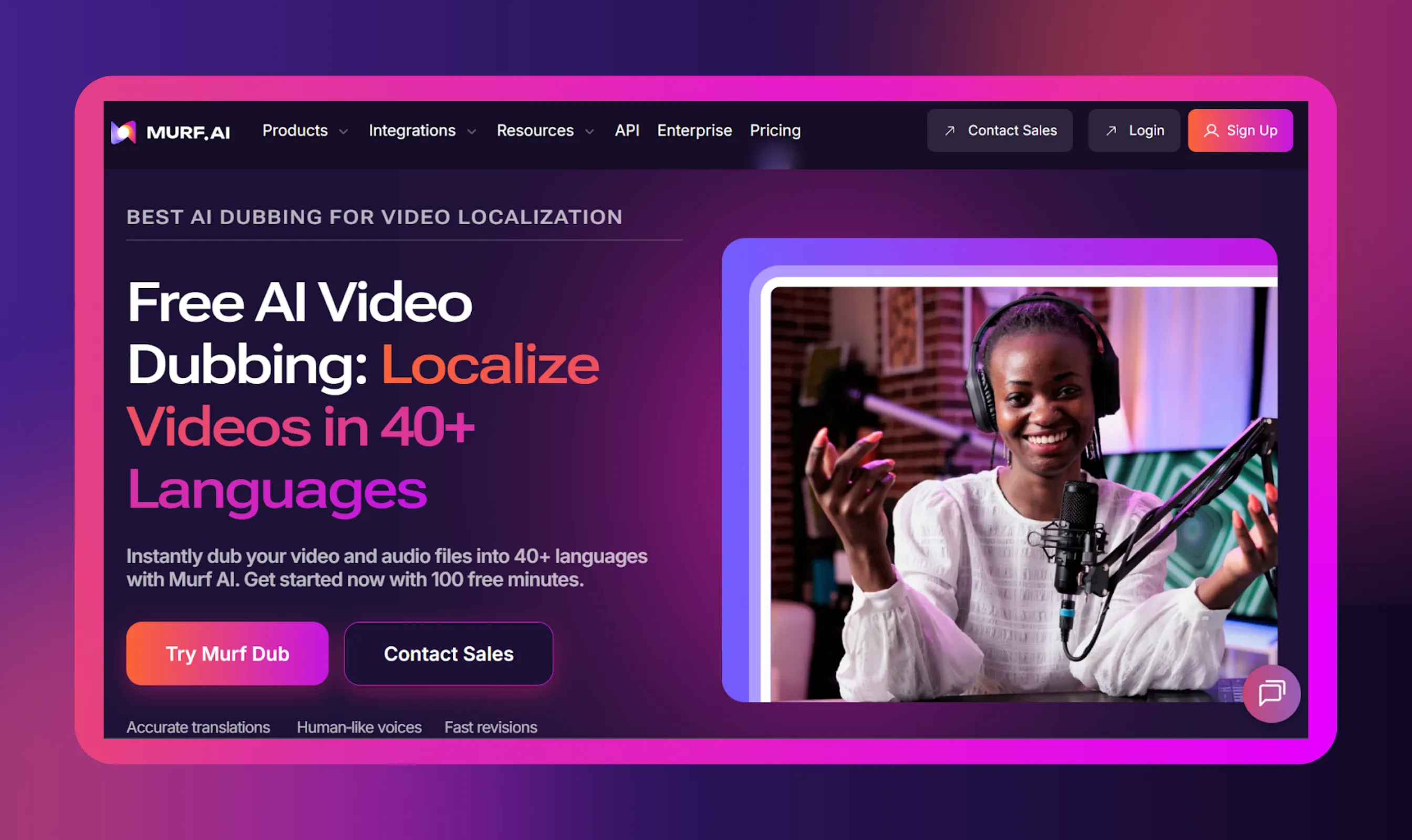
If you love Shounen Ai stories, you already know how much emotion, tone, and character nuance matter. A flat voiceover can ruin the moment, while a good voice can make a quiet confession hit you right in the chest. That’s exactly where Murf AI steps in. It’s not just another AI tool – it’s a full dubbing platform that helps creators transform their content into multiple languages without spending weeks in production studios or hiring massive voiceover teams.
What Murf AI Actually Does
In simple terms, Murf gives you the power to dub audio and video in different languages using natural AI voices. Instead of stitching together different tools, you get one smooth workflow where you can:
- Upload audio or video
- Translate and dub it into another language
- Choose natural AI voices that match the tone of your project
- Sync everything cleanly without sounding robotic or mismatched
Whether you’re a seasoned voice director or a hobbyist with big ideas, Murf keeps things straightforward.
Why Murf AI Works So Well
The platform is built on advanced AI that understands speech, timing, context, and tone. That’s why it doesn’t produce those stiff, unnatural lines older voice tech struggled with. You get dubbing that:
- Sounds like real human speech
- Captures emotional beats (important for Shounen Ai meaning and storytelling content)
- Fits the pacing and timing of the original
- Doesn’t require endless manual editing
Murf’s tech basically handles the heavy lifting, while you stay in control of the creative direction. You get:
- Natural AI voices
- Seamless dubbing workflow
- Multiple languages made simple
- Video and audio support
How Fans of Shounen Ai Can Use Murf AI
This is where it gets exciting. If you’re part of the Shounen Ai community, Murf's dubbing tool opens a lot of doors.
Fan creators can:
- Dub fan animation projects in multiple languages
- Create manga narration videos with professional sounding voices
- Translate video essays and analysis for global audiences
- Share character voice concepts across different regions
- Bring story-based fan content to audiences who don’t speak the original language
Imagine a small creator translating their thoughtful breakdown of a Shounen Ai anime for Spanish, Korean, or French audiences without paying for multiple voice actors – that’s the kind of freedom this tool gives.
And guess what? Murf AI isn’t only for anime fans. It’s also a practical solution for independent filmmakers, podcasters, YouTubers, online educators, as well as brands and agencies.
Conclusion
Shounen Ai came from a time when stories about love between boys were rare, and creators wanted to explore emotions without turning everything into explicit scenes or shock value. Now the world has caught up. Fans outside Japan are discovering Shounen Ai through fan translations, streaming sites, online communities, and word of mouth. And because the internet connects everyone, even small creators can share their thoughts, video essays, or fan projects with audiences in completely different countries.
Murf AI helps with that. It lets people dub videos and audio in multiple languages without needing a whole studio setup. Someone analyzing a Shounen Ai manga, making a video essay about early BL history, or reviewing anime episodes can reach viewers in places they never could before. It makes the process doable for solo creators, not just big production teams.

Frequently Asked Questions
What Is the Meaning of Shounen Ai?
.svg)
Shounen Ai refers to stories that focus on romantic or emotional relationships between male characters, usually told in a soft, sentimental way. The point isn’t sexual content. It’s the feelings, the characters, and how they change because of love.
What Themes Are Common in Shounen Ai Stories?
A few things show up often:
- First love
- Two friends slowly realizing they feel more
- Emotional honesty
- Growing up
- Relationships that don’t need explicit scenes to feel real
The core is emotion, not shock or drama.
What Are Some Popular Examples of Shounen Ai Anime or Manga?
Older titles like “Gravitation” and “Earthian” are well known. Many early series appeared in shojo magazines before BL took over as the more common term. If someone starts exploring the genre, those classics are usually where they end up sooner or later.
Why Do Some Creators Prefer Using the Term “BL” Instead of “Shounen Ai”?
Language changed over the years. BL became the standard term in publishing and fandom, especially outside Japan. Shounen Ai is still meaningful, but BL is shorter, easier to recognize, and easier to market.
Is Shounen Ai Considered a Genre or a Subgenre?
Most fans treat it as a smaller category under the broader BL umbrella. It has its own tone and history, but it lives inside the larger world of stories about male-male romance.
.webp)

.webp)

.webp)