How to Make Money on Substack: Complete Monetization Guide




Substack is a platform where creators publish newsletters, podcasts, and video content while building direct relationships with paying audiences. The platform has grown popular because it handles subscriptions, payments, and hosting while letting you own your audience.
Learning how to make money on Substack requires understanding multiple revenue streams beyond basic paid subscriptions. This guide covers proven monetization strategies, including paid newsletters, sponsorships, affiliate marketing, digital products, and tiered memberships.
In this guide, we will show you how to build a sustainable Substack business, publish consistently, grow your audience organically, and diversify your income streams. This guide will be useful for newsletter writers, podcast creators, and video publishers.
We have collected and analyzed actual creator data to give you a realistic earning and growth potential - because success on Substack depends on delivering value, choosing the right niche, and staying consistent over the long run.
Primary Monetization Paths: What Actually Works on Substack
Successful Substack creators use multiple revenue streams rather than relying on one income source. Each monetization method works best at different audience sizes and fits different content types.
Understanding when to implement each strategy helps you maximize your earning potential while building a sustainable income stream.
Paid Subscriptions (Core Model)
.webp)
Paid subscriptions form the foundation for earning money on Substack. You offer a free newsletter, podcast, or video content to attract readers, then charge for premium access.
Most creators price monthly subscriptions at $5-10 and annual subscriptions at $50-80 (offering 2 months free as an incentive). Structure your paid tier to provide 20-30% free content and reserve 70-80% for paid subscribers.
Consider adding a founding member tier at $200-500/year for super fans who want exclusive perks. After fees (10% platform + 2.9% + $0.30 Stripe), you keep roughly 87% of subscription revenue.
This model works best when you publish consistently and deliver clear value that justifies the paid tier. Start with free content to build trust before launching paid subscriptions.
Sponsorships and Newsletter Ads

Sponsorships become viable once you reach 1,000-5,000 subscribers. Brands pay you to feature their products in your posts, podcast episodes, or video content. Substack launched a native sponsorship pilot program to connect creators with advertisers.
You can charge $25-100 per 1,000 subscribers for a single sponsored mention. This revenue stream doesn't require readers to pay anything, making it attractive for creators who prefer keeping content free. However, too many ads might frustrate your audience, so don’t overdo this.
Choose sponsors relevant to your niche to maintain trust. Some writers seeking consistent income combine sponsorships with paid subscriptions for diversified revenue.
Sponsorships work particularly well for newsletters and podcasts in business, technology, and lifestyle niches where brands actively seek audiences.
Affiliate Marketing
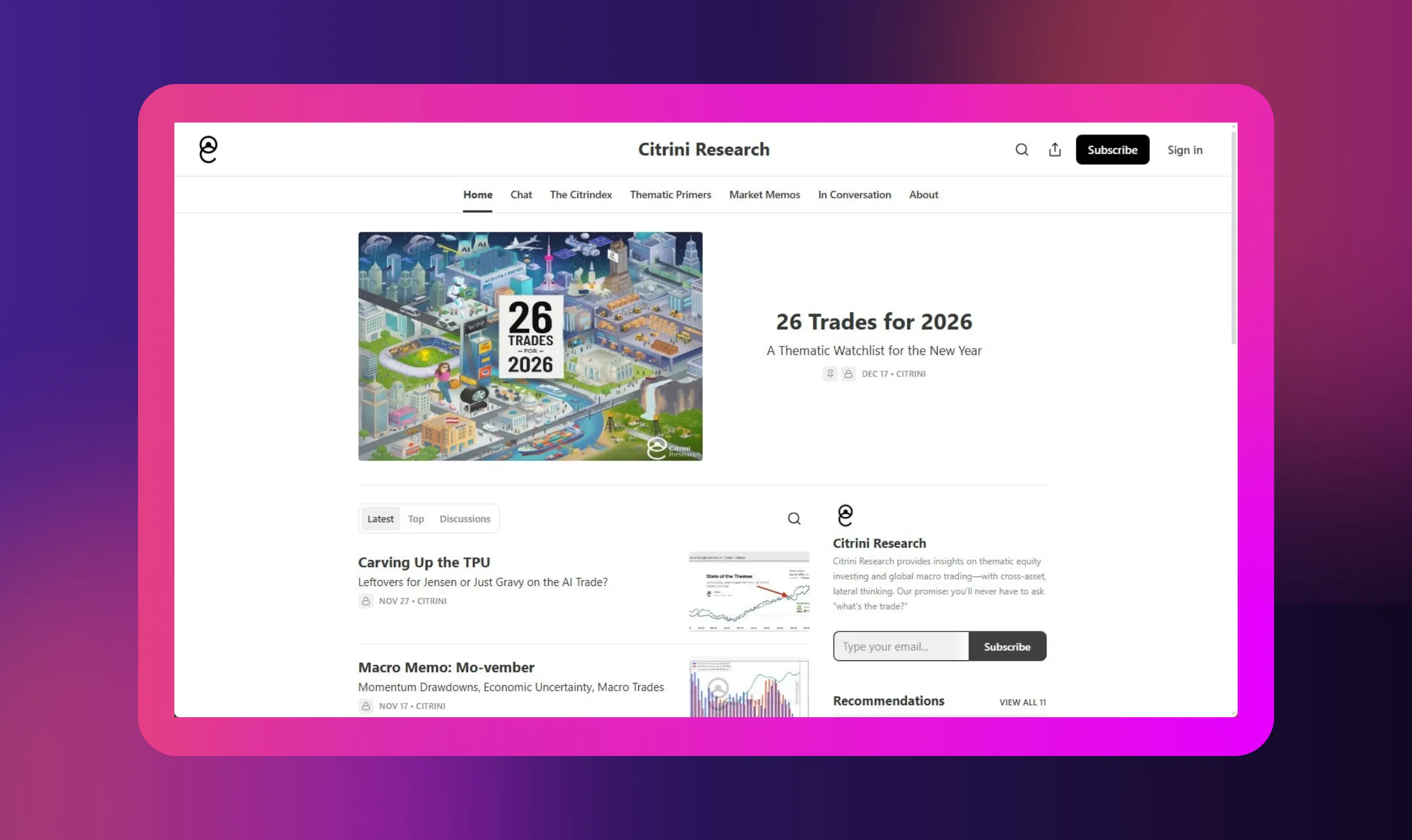
Affiliate marketing lets you earn commissions by promoting products or services through an affiliate link in your Substack content. Include tracking links in newsletters, podcast show notes, or video descriptions.
Platforms like Amazon Associates, ShareASale, and Impact offer programs relevant to most niches. You typically earn 5-30% commission per sale, depending on the product. This strategy works without requiring paid subscribers; you earn when free readers click and purchase.
Only promote products you genuinely use or believe in to maintain credibility. Disclose affiliate relationships transparently to build trust with your audience. Affiliate marketing scales well as your audience grows, and it complements other monetization methods.
Many creators generate $200-1,000+ monthly through strategic affiliate partnerships once they reach 5,000+ subscribers.
Digital Products, Courses, and Services
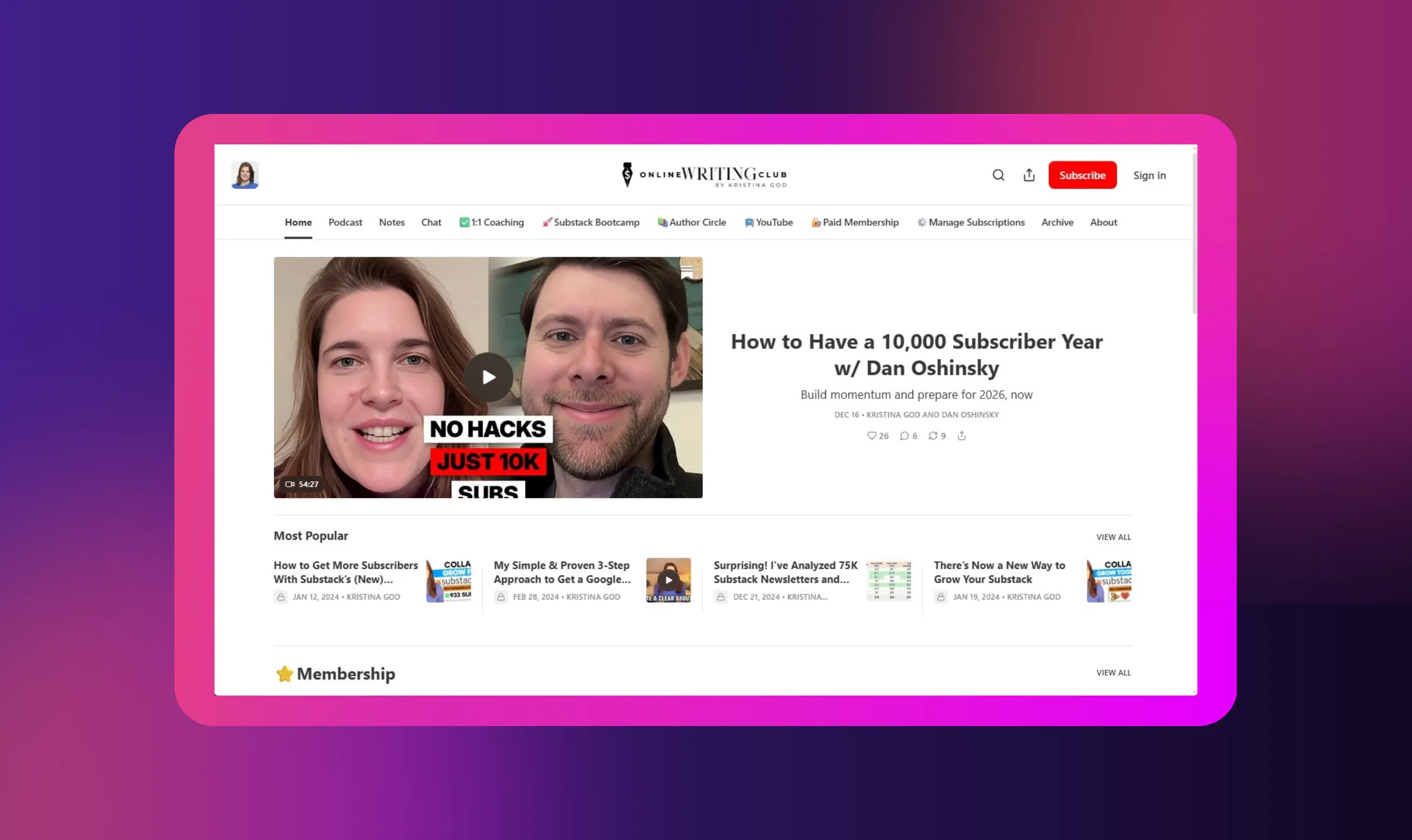
Use your Substack audience to sell digital products like e-books, online courses, templates, or workshops. This strategy works for all content formats—newsletter writers can sell writing guides, podcast creators can offer audio courses on how to start a podcast on YouTube/Spotify, and video creators can develop premium tutorials.
Price digital products at $29-299, depending on depth and value. You keep 100% of revenue minus payment processing fees since Substack doesn't take a cut on external sales. Promote these products through your free content, then add links to your posts.
Offer consulting or coaching services if your niche supports personalized advice. This approach diversifies income beyond subscription revenue and can generate significant one-time purchases.
Many Substack creators earn more from digital products than from paid subscriptions once they establish authority in their niche.
Pledges/Tips/"Pay-what-you-want" Options
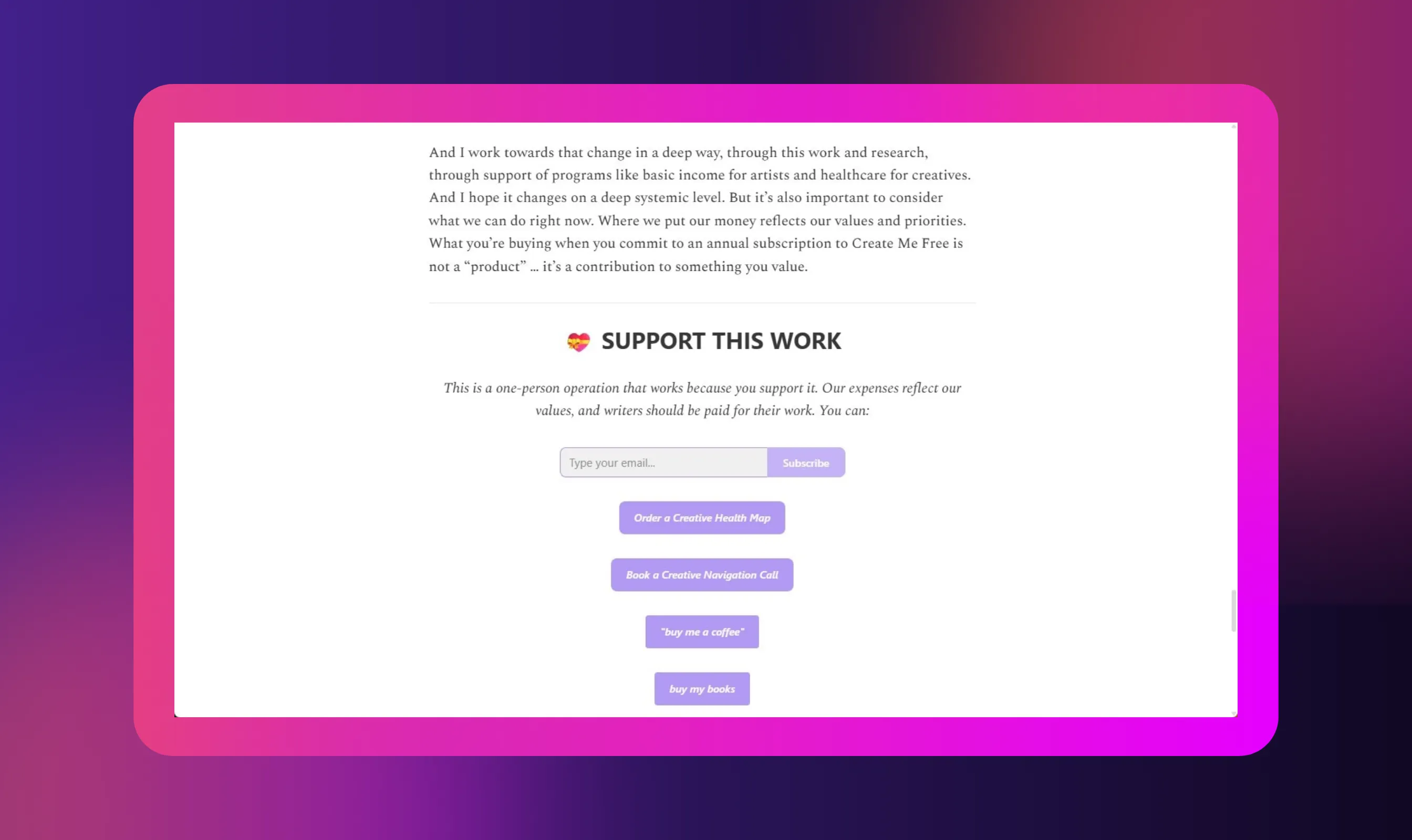
Some creators use voluntary support models where readers decide how much to contribute. Substack allows founding member tiers that function as premium pledges, typically $200-500 annually.
This works well when you've built strong community loyalty, and readers value your free content enough to support it financially. Writers seeking flexibility prefer this because it removes the pressure to produce paid-tier content constantly.
You can also direct readers to platforms like Ko-fi or Buy Me a Coffee for one-time tips. This monetization path generates unpredictable income but works for creators who want to keep most content free while allowing superfans to contribute.
It's best used as a supplementary revenue stream rather than your primary income source. The model succeeds when you focus on building genuine relationships rather than transactional content.
Step-by-Step Roadmap: From Zero to Earning on Substack
This roadmap provides a practical plan to start making money on Substack even with zero subscribers. Following these structured steps helps you avoid common mistakes and build sustainable income over time. Each phase builds on the previous one to create momentum.
Define Your Niche and Value Proposition
Choose a specific niche where you have expertise and clearly define your target audience. Avoid broad topics and focus on specific angles like "AI tools for freelance writers" instead of generic "business" content.
Research competitors to identify gaps, then craft a value proposition that answers why someone should subscribe to you. A focused niche attracts dedicated readers who convert to paid subscribers more easily.
Build an Audience
Start with free content to demonstrate value before asking for payment. Optimize your Substack profile, import existing email lists, and share on social media where your audience gathers.
Engage with other creators through Substack Notes and comments to build visibility. Cross-promote with complementary creators and publish regularly to build momentum. Focus on delivering genuine value in free content from the start.
Publish Consistently and Deliver Value
Set a predictable publishing schedule and stick to it. Choose content formats that match your strengths and spend your first few months delivering free value to establish credibility.
Respond to comments and build genuine relationships with readers. Prioritize quality over quantity—one excellent post beats multiple mediocre ones. Consistent delivery of valuable content builds trust and makes monetization easier.
Choose and Implement Monetization Model(s)
Wait until you have 100-500 free subscribers before enabling paid subscriptions. Launch your paid newsletter option with a clear explanation of what subscribers get for their money. Price monthly subscriptions at $5-10 and offer an annual option at a discount.
Start with one paid post per week while keeping some free posts flowing. Alternatively, begin with affiliate marketing or sponsorships if you prefer keeping content free initially. For podcast creators, gate premium episodes behind the paywall while offering free sample content.
Video creators can use Substack's livestreaming features with exclusive broadcasts for paid subscribers. Announce your monetization launch clearly, explaining the value proposition without apologizing for charging.
Most Substack communities see 5-10% of free subscribers convert to paid within the first month.
Retain and Grow Paying Subscribers
Deliver consistent value that justifies your paid tier: exclusive articles, bonus podcast episodes, early access to videos, or community features. Offer founding member tiers at $200-500/year with special perks like monthly Q&A sessions, consulting calls, or behind-the-scenes access.
Build community through subscriber-only comments, chat threads, or live streams. Send occasional bonus content to paid subscribers that exceeds their expectations. Track what content performs best with paying subscribers and create more of it.
Reduce churn by maintaining your publishing schedule and quality standards. Personally thank new subscribers and engage with their comments to build loyalty. Survey your paid subscribers periodically to understand what they value most.
The goal is to make subscribers feel their investment is worthwhile every single week.
Diversify Income Streams to Reduce Risk
Don't rely solely on subscription revenue - diversify to protect against income fluctuations. Add sponsorships once you reach 1,000+ subscribers to generate income from free readers.
Integrate affiliate links for products you genuinely recommend in newsletters, podcast descriptions, and video posts. Create digital products such as e-books, courses, or templates that deliver value beyond your regular content.
Offer consulting or coaching services to monetize your expertise directly. Some creators generate more revenue from digital products and sponsorships than from paid subscriptions. Multiple income streams reduce risk if subscription revenue dips or platform changes affect earnings.
Test different monetization methods to discover what resonates with your audience and generates consistent income across various sources.
Advanced Strategies and Growth Hacks: How Top Creators Maximize Earnings
Top Substack creators earning $100K+ annually use advanced tactics beyond basic paid subscriptions. These strategies help you scale faster, retain subscribers longer, and diversify revenue streams. Implementing even a few of these tactics can significantly boost your earning potential.
Tiered Subscription Models
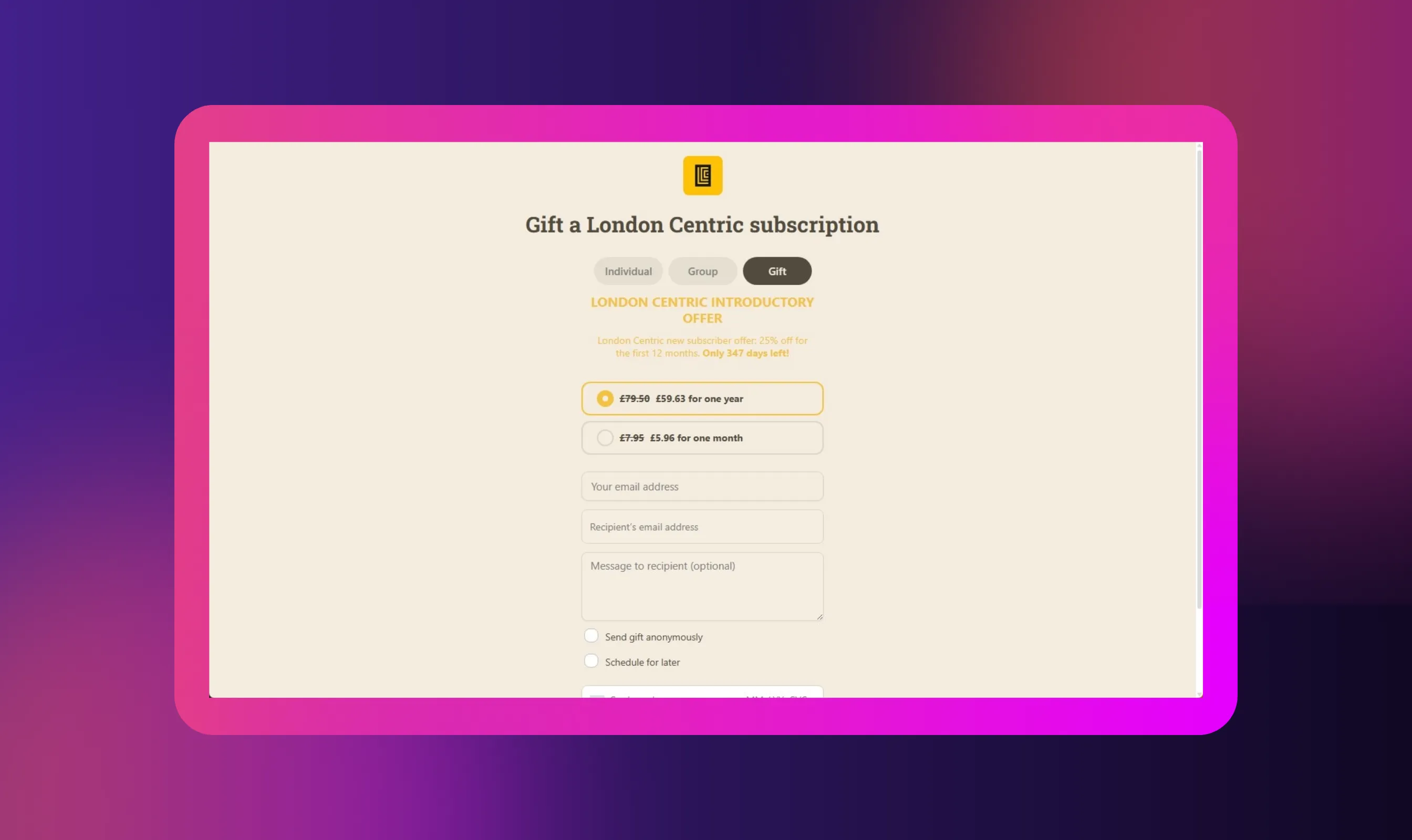
Create multiple subscription tiers to capture different value levels and maximize revenue. Offer a free tier for audience building, a standard paid tier at $5-10/month, an annual tier with a discount, and a founding member tier at $200-500/year.
Your founding member tier should include personal perks like private Q&A calls, early access to digital products, quarterly behind-the-scenes posts about your strategy and earnings, priority consulting access, or personalized welcome videos. Some creators rename this tier to match their brand, "VIP Membership," "C-Suite," or "Founding Circle."
Position higher tiers as proximity to you, not just more content. Make it easy for readers to understand what they're buying at each level with clear descriptions. Tiered models work for newsletters, podcasts, and video content by offering exclusive episodes or livestreams at premium levels.
Cross-Promotion and Collaborations
Partner with creators in complementary niches to expand your reach. Use cross-posting to share other creators' free posts with your subscribers and explain why you recommend them.
Invite guest writers whose content matches your audience, or collaborate on light projects where both creators write on the same topic separately.
Use Substack's recommendation feature and collaborate on joint podcasts or video interviews. Top creators grow subscriber counts massively by appearing on 100+ podcasts annually through strategic collaborations.
Multi-format Content
Mix long-form articles, short Substack Notes, podcast episodes, and video livestreams to reach different audience preferences. Substack offers livestreaming for creators with 10+ free subscribers, with AI-powered video clips generated automatically for social media sharing.
Publish written posts for readers, audio podcasts for commuters, and videos for visual learners. Repurpose long-form articles into podcast episodes or convert podcast discussions into written summaries. This multi-format approach creates more paid content without starting from scratch each time.
Repurpose and Dub Your Content for Multilingual Audiences
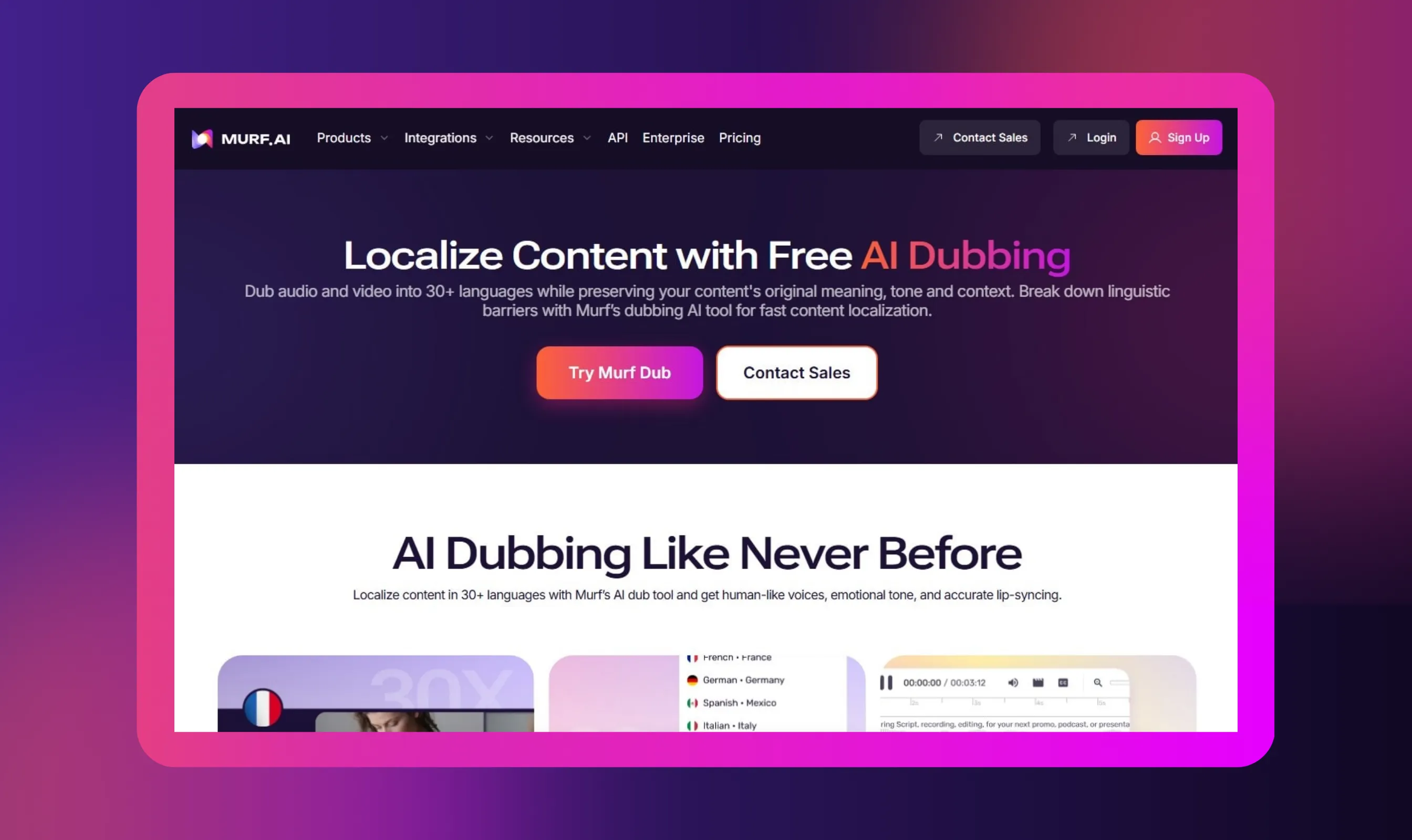
Expand your Substack reach globally with Murf's AI dubbing, translating podcast episodes and video content into multiple languages. Murf's voice translator technology converts your audio into 40+ languages while preserving your original tone and delivery style.
This lets you tap into non-English speaking markets without re-recording content or hiring voice actors. Use Murf's translate video feature to create multilingual versions of your livestreams, video posts, or tutorial content.
International audiences represent a massive untapped market for Substack creators - Spanish, Portuguese, German, and Japanese speakers actively seek quality content. You can charge the same subscription prices in different languages, multiplying your paid subscribers without creating new content.
Start by translating your best-performing posts or podcast episodes to test which languages resonate most with your niche. This strategy works particularly well for business, technology, and educational content with global appeal.
Building Community and Loyalty
Strong community reduces churn and increases lifetime subscriber value. Create interactive content like polls, Q&A sessions, and discussion threads to encourage participation.
Respond personally to comments and use Substack Chat to foster ongoing conversations between subscribers. Host live streams where paid subscribers can ask questions directly and feature subscriber contributions in your content.
Relationships matter more than content quality for retention. When readers develop connections with you and other subscribers, they're less likely to cancel. Create exclusive spaces like subscriber-only comment sections to make your community irreplaceable.
Conclusion
Learning how to make money on Substack requires choosing a focused niche, publishing consistently, and diversifying income streams. Success depends on delivering genuine value through newsletters, podcasts, or video content that justifies paid subscriptions.
Most Substack creators earning consistent income combine multiple monetization methods - paid subscriptions, sponsorships, affiliate marketing, and digital products. Approach Substack realistically as a long-term venture, not a quick money scheme.
Build your audience through free content first, then implement paid options strategically. Focus on community building and engagement to reduce churn and maximize subscriber lifetime value. Start today with clear goals and patience for gradual growth.

Frequently Asked Questions
Is it worth it to start a Substack?
.svg)
Yes, if you enjoy writing, podcasting, or creating videos and have expertise to share. Substack works best when you commit to consistent publishing and treat it as a long-term project. Don't expect quick money - building a sustainable income takes 6-12 months of dedicated effort.
How much money can you realistically make on Substack?
Realistic earnings range from $500-2,000/month for mid-sized creators with 100-300 paid subscribers. Top creators earning $100K+ annually have 1,000+ paid subscribers plus diversified income from sponsorships and digital products. Your first year, expect $200-1,000/month if you publish consistently and grow strategically.
How hard is it to get paid subscribers on Substack?
Challenging but achievable with quality content and patience. Expect 5-10% of free subscribers to convert to paid when you launch. Building 100 paid subscribers typically takes 6-12 months of consistent publishing. Focus on delivering exceptional free content first to build trust before asking for payment.
Do I need a big audience to earn anything on Substack?
No, you can start making money with 50-100 free subscribers by enabling paid subscriptions. Even 25 paid subscribers at $8/month generate $200/month. Small, engaged audiences often convert better than large, passive ones. Focus on niche targeting and value delivery rather than massive reach.
What fees does Substack take? How much do I actually get paid?
Substack takes 10% of subscription revenue plus Stripe charges 2.9% + $0.30 per transaction. You keep approximately 87% of your earnings. For a $5/month subscription, you receive $4.39 after all fees. There are no upfront costs - Substack only earns when you do.
How often should I publish, and what kind of content works best on Substack for monetization?
Publish at least once per week consistently - weekly or twice-weekly schedules perform best. Long-form articles (1,500-3,000 words), in-depth podcast episodes, practical how-to content, and exclusive video livestreams generate the highest paid subscriber conversions. Quality matters more than quantity- one excellent post beats three mediocre ones.

.webp)

.webp)