Fandubs: What They Are and How Fandubbing Works in Anime



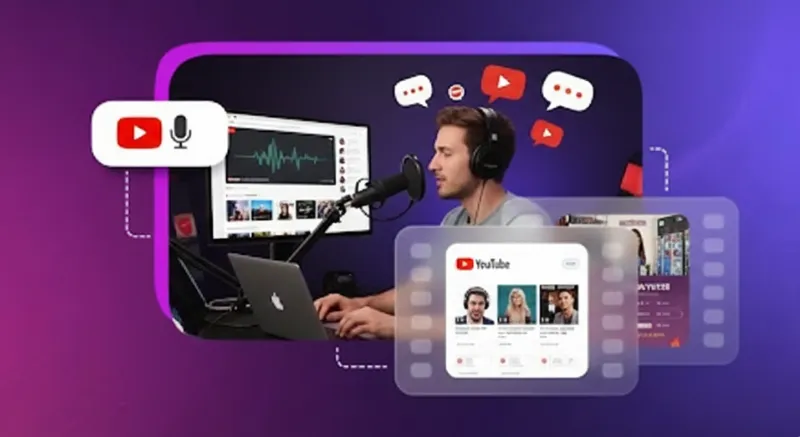
Fandubs are a pretty normal part of anime fandom now, even if some people are just discovering them. Instead of waiting for an official dub or hoping a show eventually gets released in different languages, fans just make their own. It is not fancy. Someone grabs a mic, opens editing software, and suddenly they are acting like at-home voice actors, recording takes at 2 a.m., trying to match timing, emotion, and lip movement without losing what made the characters feel real in the first place.
Nobody doing this is trying to compete with studio dubs. It is just fans having fun, making something they wish existed, and putting their love for a show into something they can share. That is why fandubs matter. They remind people that stories do not only belong to companies but also to the audience that cares enough to recreate them, experiment, and make them feel new all over again.
In this article, we'll take a look at what fandubs are, how they work, and their place in the world today. We'll also consider Murf AI's dubbing tool and its role in the fascinating fandub world.
Key Takeaways
- You'll learn what fandubs are, why fans create them, and how they differ from an official dub of anime or movies.
- We'll talk about how fan voice actors record new audio and dialogue, shaping the personalities of protagonists while syncing with the scene.
- We'll see why fandubs have become so popular on YouTube and other media where people can watch, comment, and simply enjoy the content.
- You'll discover how creators work with translated scripts, different languages, and simple tools to edit, redub, and use clips in a creative way.
- We'll also consider how Murf helps fans make better dubs with high-quality results, even without professional gear, making the whole practice way more fun to get into.
What Are Fandubs?
Fandubs are fan-made versions of anime, movies, or other media where fans replace the original audio with their own voices and creative direction. Instead of waiting for an official dub or a version in different languages, fans step in and make their own interpretation. These projects can be serious, funny, experimental, or focused on matching the style of studio dubs.
How Fandubs Work

At their core, fandubs are simple. Fans take an existing scene from a series, film, manga adaptation, or online clip, remove the original voices, and recording their own lines. The new dialogue may be faithful to the original, translated more accurately, or changed for parody and humor.
Why Fans Create Them
People make fandubs for a range of reasons, including:
- To improve accuracy if the official dub changed meaning during translation
- To create versions in new languages when no official option exists
- To experiment with acting, scriptwriting, and voice actors skills
- To add fun, jokes, or personality to an existing scene
- To simply enjoy being creative with something they love
What You’ll See in a Typical Fandub
A fandub will typically include:
- Rewritten or re-typed scripts, often shared on a page or Wiki
- Home recording equipment
- Software to edit the voices into place
- A finished version uploaded as a playlist or single clip on sites like YouTube
Serious vs. Comedy Approaches
Not all fandubs are the same. Some aim to sound professional and deliver performances close to the studio-level versions. Others go full parody, changing the personalities of the protagonists or rewriting scenes into something completely new. Both styles have their own audience, and both are widely popular in the community.
Accessibility and Creative Freedom for Those without Voice Actor Skills
Unlike studio companies, fans do not need budgets, studios, or corporate approval. Anyone can use basic tools at home, create their own version, and share it online where other people can watch, learn, and read comments. That freedom is what keeps fandubs an active and evolving practice today.
The Creative Process Behind Fandubs
Creating fandubs is a hands-on practice that combines acting, technical editing, and personal interpretation. Even though many creators work from bedrooms or small setups, the process can be surprisingly detailed and professional in its own way.
Choosing the Clip
Most creators start by selecting a scene from an anime, series, film, or other media. It could be dramatic, emotional, or the perfect setup for humor or parody. The goal is to pick something short enough to finish but strong enough to be worth the effort.
Preparing the Footage
The original audio is stripped out so the new track can be added. Basic software is used to clean background noise, keep sound effects, or make space for new voices. Sometimes creators even edit small timing issues to help the new lines feel natural.
Scriptwriting for the Official Dub
How the script is written depends on the intention of the fandub:
- Some creators keep the dialogue close to the translated meaning.
- Others rewrite lines to add personality, new jokes, or complete parody.
- Scripts may be shared on a page, Wiki, or document where others can read and learn from them.
This part shapes how viewers will experience the scene once it is created.
The Role of Dubbing in Fandubs
The heart of a fandub is the dubbing itself. This is where fans step in as at-home voice actors and bring characters back to life through their own performances. Good dubs do more than replace sound. They elevate the entire experience.
Bringing Characters to Life
When fans voice protagonists, they are performing, not just reading. A solid performance can make characters feel:
- more expressive
- more grounded
- more emotional
- more entertaining
Even with the same visuals, a different take on a voice can shift how a moment feels.
Matching Delivery to Animation
Timing matters. A convincing fandub requires matching lines to lip movements, reactions, and beats. Creators often record multiple takes until words line up with the animation in a way that feels natural.
Setting Tone
Tone is one of the biggest creative freedoms. A single scene can become emotional, exaggerated, completely comedic, or anything in between depending on delivery. The dub determines how the audience receives the moment.
Reinventing Meaning
Sometimes the goal is to improve a weak official dub. Other times, it is to reinterpret the content:
- keeping the spirit of the original
- offering new meanings
- changing personalities
- shifting the vibe of the story entirely
In many cases, the dub becomes the defining creative element of the project.
Making the Clip Cinematic
With balanced audio, carefully mixed voices, and thoughtful timing, a fandub can feel surprisingly polished. When done well, viewers can forget they are watching something made outside large production companies.
Voice Recording
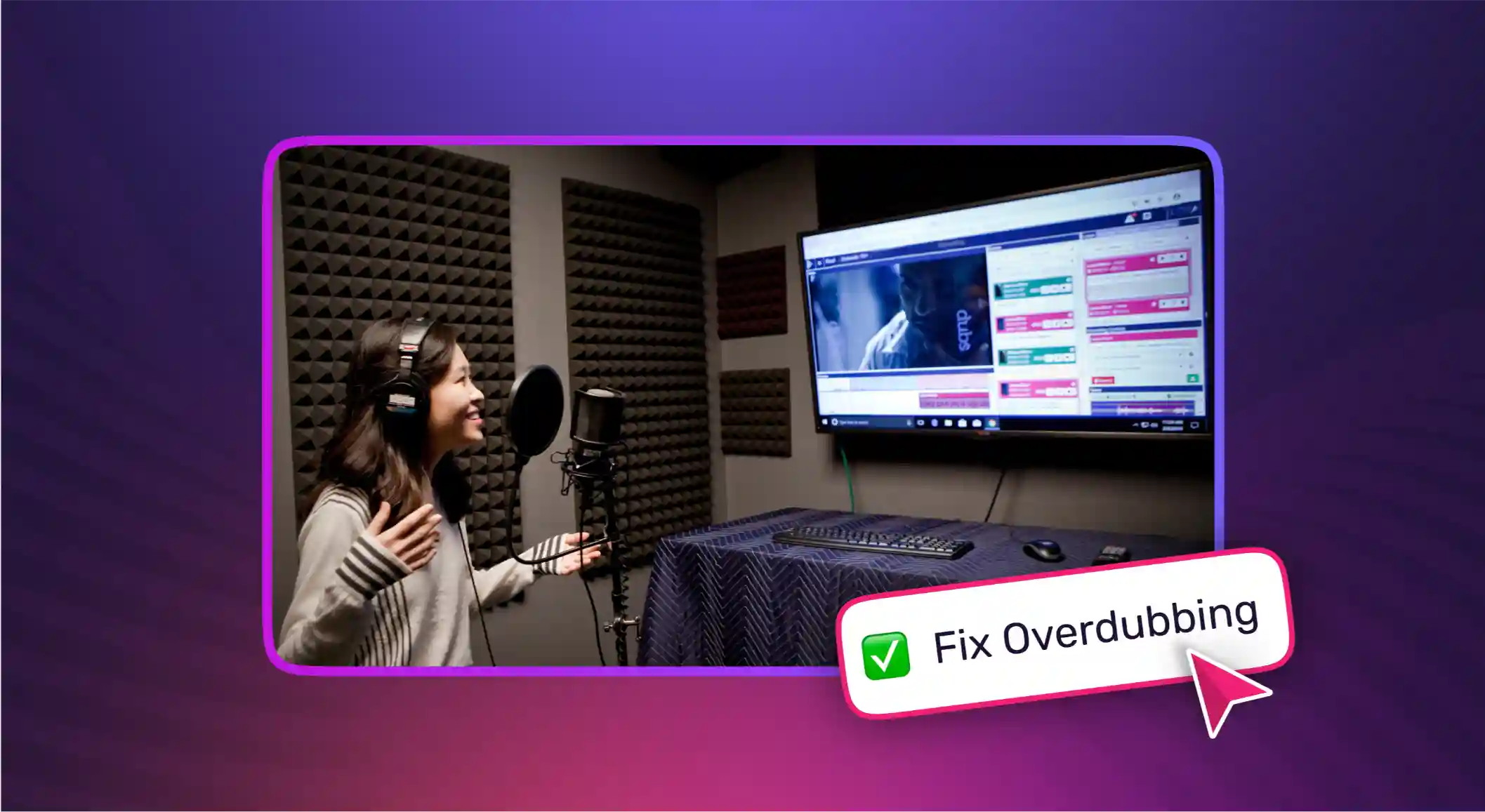
Once the script is ready, creators record lines using whatever equipment they have. Some use USB mics, others use setups meant for gaming or streaming. They focus on capturing clean takes with the right energy, rhythm, and emotion for the scene.
Editing and Redub Simplified
When all the lines are recorded, everything is synced and mixed together. Fans can play them, and adjust the volume, pacing, and effects until the dub feels unified. Still don't like what you hear? Simply redub. Once finished, the final version is created and often uploaded to platforms like YouTube, sometimes in the form of a playlist for others to watch and enjoy.
What Makes Fandubs Popular Today
Fandubs continue to grow because they give fans something official releases often cannot provide: control, creativity, and an active space to experiment.
- Creative Freedom: There are no rules. Creators decide whether a scene stays serious or becomes a full parody. They can rewrite lines, adjust jokes, shift tone, and express their own voice without limitations.
- No Waiting for Releases: Not every show receives an official dub, and many never come out in different languages. Fans do not need to wait. They can use their own tools to bring stories to new audiences.
- Accessible for Anyone: No studio needed. With basic software and a little patience, anyone can learn by doing. It is a practical way to build skills in acting, recording, production, and editing through real projects.
- Community and Collaboration: Because fandubs are shared online, viewers can interact, leave feedback, join future projects, or connect with others who love the same anime or series. It builds a creative environment where people support and inspire each other.
- A New Way to Experience Stories: Even if someone has watched the original version, a new dub can make it feel fresh. A single performance or rewritten line can change emotional impact or add unexpected humor. That connection is what keeps fans excited about the format, especially in a media space where audiences like to take part rather than just watch.
Using Murf AI to Create High-Quality Fandubs
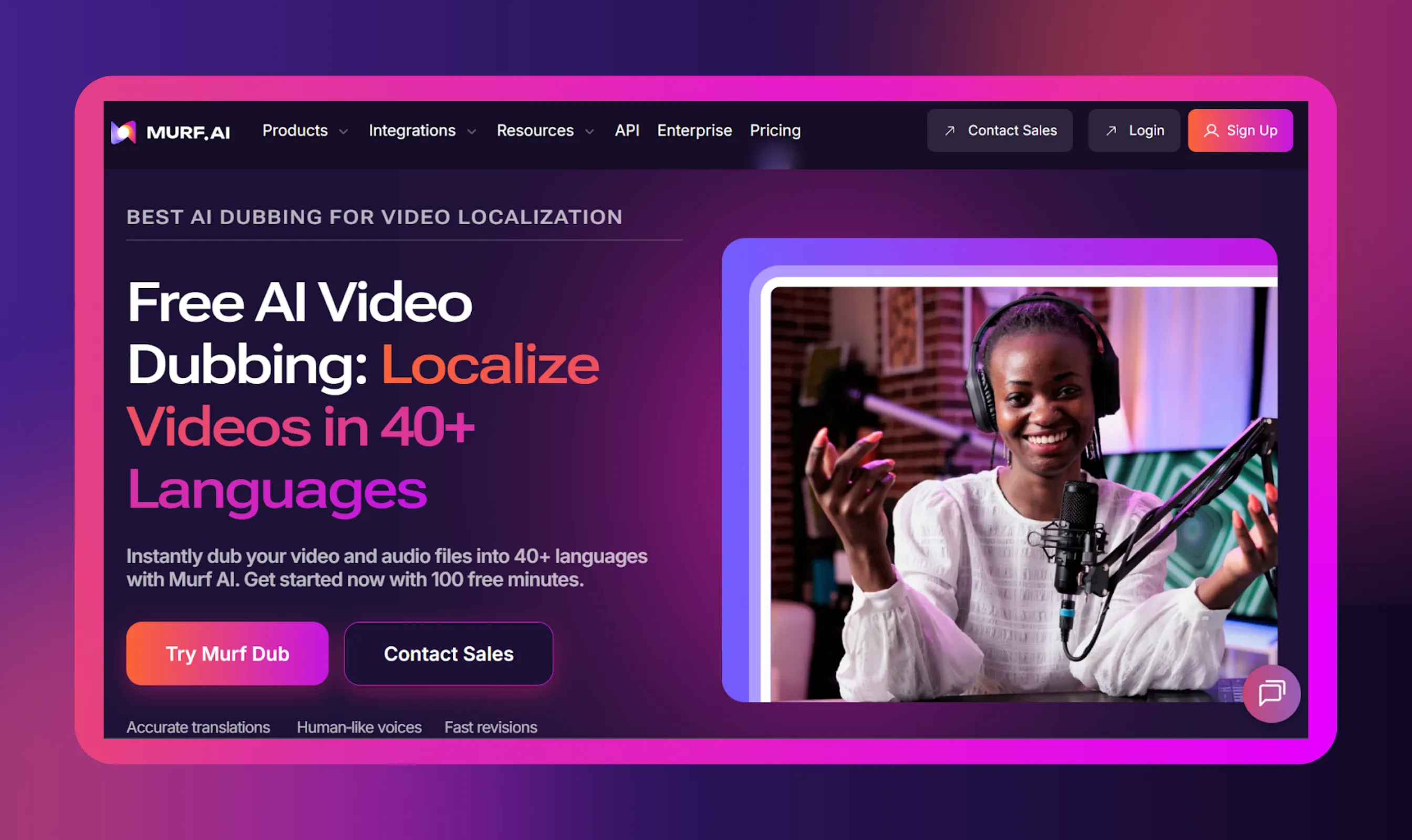
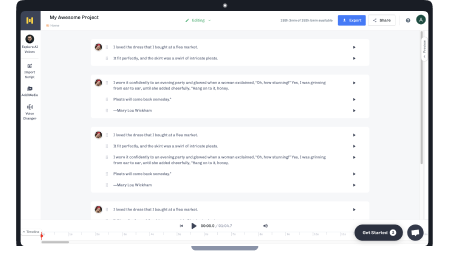
If you want your fandubs to sound next-level, Murf's voice dubbing tool is a very smart choice. It brings in powerful, studio-style capabilities without needing a real studio, which is especially useful for creators experimenting with anime scenes.
- Realistic AI Voices & Multilingual Support: With Murf, you get access to 200+ highly natural AI voices across 40+ languages. You can pick voices that match different personalities or protagonists.
- Emotion, Tone & Style Control: You can tweak how the AI speaks. For example, adjusting pitch, speed, emphasis, pauses, and overall expressiveness.
- Auto Detection & Lip-Sync Matching: Murf detects the source language automatically, which speeds up setup. It also offers tight syncing so that dialogue matches the timing of animation or lip movements.
- High Translation Accuracy: When you translate lines, Murf uses context-aware translation so meaning, tone, and cultural nuance are preserved.
- Fast Workflow & Export Options: The AI dubbing process is much faster than traditional dubbing. What might take weeks in a studio can be done in hours or days with Murf. And once your fandub is ready, you can export it as an MP4 optimized for platforms like YouTube.
- Voice Cloning: Want to reuse a certain character voice across scenes or projects? Murf lets you clone a voice with a similar tone, pacing, and emotional feel.
By using Murf AI, anime fans can truly create high-quality fandubs that feel professional. Whether you want to experiment with character voices, do a multilingual version, or just try out a new take on a scene, Murf gives you the tools to make it happen and share it widely.
Conclusion
Fandubbing has grown into a space where fans can tell the stories they love in their own way. You don’t need expensive gear or a studio setup to get started anymore.
If you want clean sound and a smoother workflow, Murf’s dubbing tool can make the process easier, leaving more of your time and energy for the part that matters most: performing, experimenting, and having fun with the scene.
Frequently Asked Questions
What Exactly Are Fandubs, and Why Do Anime Fans Create Them?
.svg)
Fandubs are fan-made re-voiced versions of anime scenes or episodes. People make them because they want to express themselves, explore voice acting, improve or change translations, or just put their own spin on a moment. It’s driven by creativity, not commercial goals.
What Types of Content Typically Get Fandubbed?
Pretty much anything can be fandubbed. Some fans redo serious scenes, others go for comedy or parodies, and some even dub openings, endings, or entire episodes. The focus is usually on the scenes that inspire the creator.
How Are Fandubs Different from Official Anime Dubs?
Official dubs are professionally produced, licensed, and made for commercial release. Fandubs are made by fans for personal enjoyment and aren’t tied to studios or legal distribution. They’re more experimental and often more playful.
How Can I Create My First Fandub as a Beginner?
Start with a short scene. Write or adapt a script, record or generate the voices, then line them up with the visuals. If recording feels intimidating, using a dubbing tool like the one offered by Murf can help you skip the hardware learning curve and focus on timing and performance instead.
How Does the Fandubbing Process Work from Start to Finish?
You choose a scene, write or adapt the dialogue, create the voices, sync the audio to the animation, tweak timing, and then export the final clip. It’s a straightforward process, and once you’ve done it once, it starts to feel much more natural.
What Recording Equipment Do I Need to Start Fandubbing?
Traditionally, you’d at least want a microphone and headphones for clean sound. But if you’d rather not deal with hardware or mixing, a tool like Murf can generate the voices for you so you can focus on directing and shaping the performance instead of worrying about noise issues, mic settings, or editing software.
.webp)

.webp)