What Is Dub in Anime? A Complete Guide



When Dragon Ball Z began airing in the United States in 1996, it captured the hearts of millions. The show’s rise to international fame was largely attributed to its English dub, which allowed non-Japanese speakers to enjoy the series in their native language. The characters, plot, and epic battles resonated deeply, transforming Dragon Ball Z into a cultural phenomenon.
This success story highlights the transformative power of dubbing, which goes beyond mere translation to create a viewing experience that resonates across cultures and languages.
Dubbed anime is not just a way to translate dialogue; it is an art form that bridges cultures, making complex narratives accessible to millions while preserving the essence of the original work. For anime fans worldwide, understanding the significance of dubbing opens the door to appreciating anime in a whole new light.
Dubbed Anime: The Origins
Dubbed Anime: The Origins
Before we get to what is dubbed anime, let's consider its origins. In a snapshot, dubbed anime replaces the original Japanese voice track with voice over in another language. This process goes beyond mere translation; it involves adapting cultural nuances, syncing dialogue with characters’ lip movements, and delivering emotionally authentic performances.
The practice of dubbing anime began gaining traction in the 1980s with shows like Robotech and Voltron. These early adaptations introduced Western audiences to the world of anime, laying the groundwork for future classics like Naruto, Dragon Ball Z, Attack on Titan, etc. Over time, dubbing has evolved into a sophisticated process, enabling anime to reach global popularity.
Examples of Popular Dubbed Anime
Naruto: This series’ English dub captured the essence of Naruto’s determination and character growth, playing a key role in bringing the series to a global audience and making his journey to becoming a great ninja universally relatable.
Dragon Ball Z: Known for its high-energy battles and memorable character voices, the English dub’s dramatic delivery showcased how audio dubbing can heighten tension and excitement, solidifying its place as a fan favorite.
My Hero Academia: The English dub balances the emotional depth and accessibility of its original Japanese version while introducing nuanced performances that resonate with English-speaking audiences.
Cowboy Bebop: Celebrated for its exceptional English voice cast, this sci-fi noir classic elevated the standard for dubbed anime, seamlessly blending character personalities with the show’s atmospheric tone.
The Anime Dubbing Process
The process of dubbing anime ensures that the translated content aligns seamlessly with the original visuals and emotions. Here is the anime dubbing process:
Translating Scripts
Script translation is the foundation of dubbing. Translators must carefully balance accuracy with cultural adaptation. Japanese idioms, jokes, and culturally specific phrases often lack direct equivalents in other languages. For instance, Naruto’s iconic ‘dattebayo’ was translated to ‘believe it!’ in English, maintaining the character’s energetic tone.
Translators also try to preserve the spirit of the dialogue. Missteps in translation can lead to a disconnect between the characters and the audience, which is why script adaptation is treated as an art form.
Lip-Sync and Voice Acting
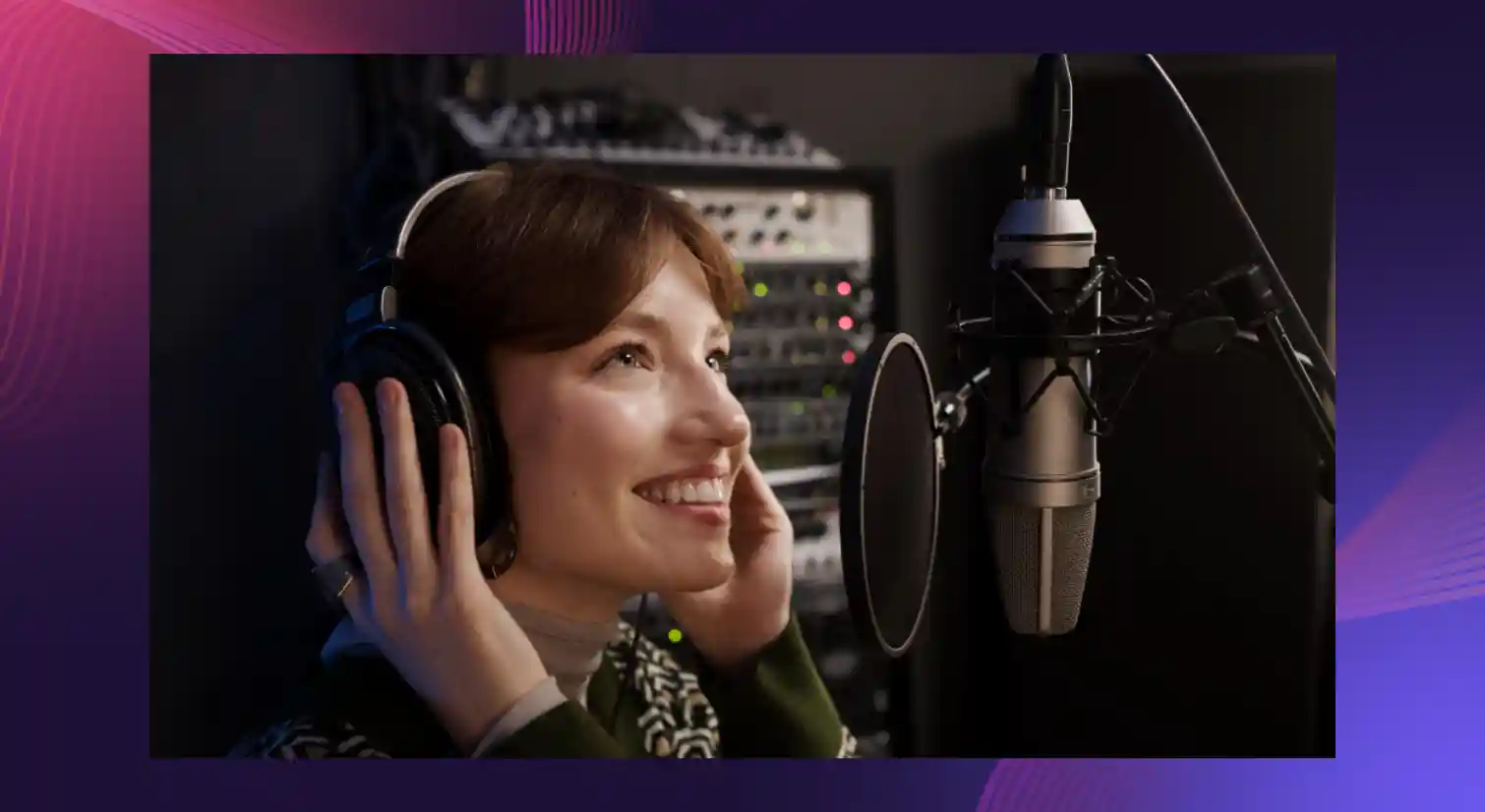
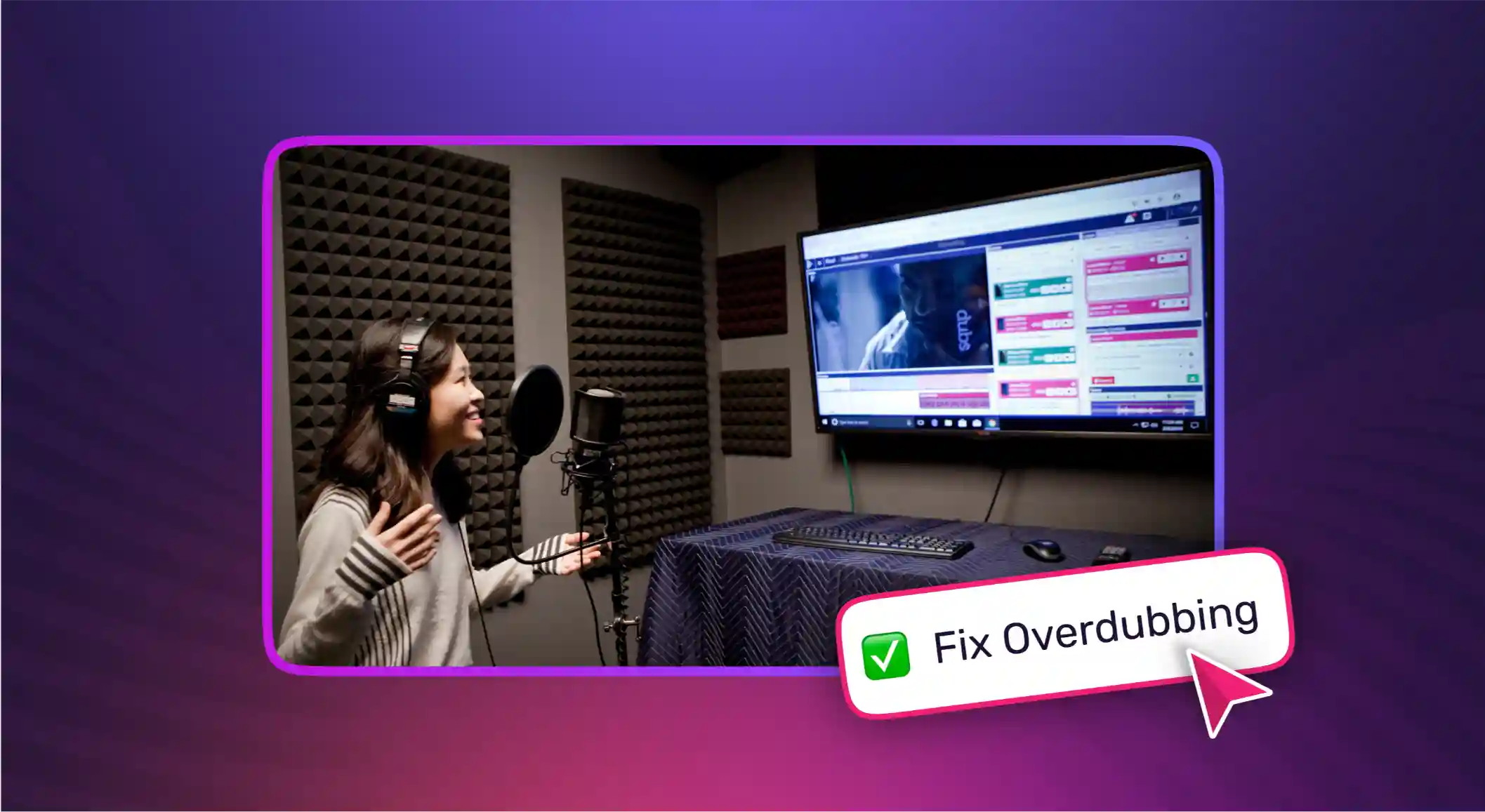
Once the script is translated, the next challenge is syncing it with the characters’ animated lip movements. This step requires precision to ensure the dialogue aligns with the visuals. Voice actors must match the timing and also deliver emotionally resonant performances.
.webp)
One exceptional dubbing example is Cowboy Bebop. The English voice actors brought depth and nuance to the characters, delivering performances that matched the tone and style of the original.
Today, creators often rely on video dubbing software to streamline lip-sync and voice alignment, ensuring the dubbed dialogue matches character movements seamlessly.
Role of AI in Dubbing
AI is transforming the dubbing industry by introducing automation and precision that were previously unattainable with traditional methods. Speech synthesis and machine learning algorithms now enable real-time voice generation. AI-driven lip-sync technology ensures that translated dialogue aligns seamlessly with character animations. Additionally, natural language processing (NLP) helps maintain linguistic accuracy and cultural relevance, making translations more fluid and contextually appropriate.
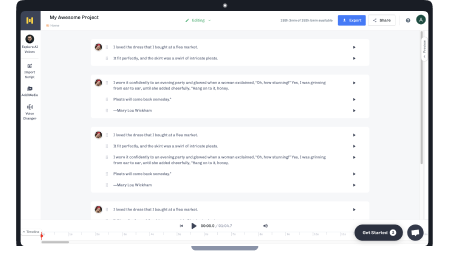
AI-driven solutions like Murf's video dubbing free tools streamline this process by utilizing voice cloning, pronunciation control, and lip-sync optimization to create high-quality dubbed content with minimal manual intervention.
Murf Dub enables studios to dub anime in 40+ languages, making content accessible to a global audience while retaining character-specific nuances. With customizable voice styles and intonation adjustments, AI ensures that every character maintains their distinct personality across different languages. Its neural generative architecture captures complex vocal expressions, producing natural-sounding performances that closely mimic human speech. By automating repetitive tasks, Murf AI reduces production time and costs, allowing creators to focus on storytelling while maintaining exceptional dubbing quality.
.webp)
What is the Difference between Subbed and Dubbed Anime?
When people are talking about anime, the sub vs dub question shows up sooner or later. It is one of those debates that never really settles because there is no single right answer. The difference between subbed anime and dubbed anime comes down to language and how viewers prefer to experience a story while watching anime.
Both formats keep the same plot, characters, and scenes. What changes is how the spoken dialogue reaches the viewer. One keeps the original audio, while the other replaces it with voices in another language. This difference alone explains why fans argue about subbed or dubbed anime. It shapes pacing, emotion, and how closely a show feels tied to its original meaning.
Knowing what does dub mean in anime culture helps explain why both options exist and why production companies continue to support them for a wider audience.
What Is Subbed Anime?
Subbed anime keeps the original Japanese version of a show. The original Japanese voice acting stays exactly as it was recorded. Viewers hear the Japanese language and follow the story through subtitles on screen.
These subtitles provide a written translation of the original dialogue. Many viewers want to hear the original voice and experience anime in its original form, even if it means reading subtitles the entire time.
This approach is common across anime series and other foreign releases where creators want to retain the original language. Many fans feel that subs preserve tone and emotion better, especially when cultural references are involved. Others simply enjoy hearing the original Japanese voice and paying attention to how lines are delivered.
What Is Dubbed Anime?
Dubbed anime replaces the original Japanese audio with new performances recorded in English or another language. In a dubbed version, voice actors perform translated scripts that are timed to match characters lip movements as closely as possible.
Without reading subtitles, viewers can focus fully on visuals, action, and pacing. Dubbed content is also more accessible for viewers with learning disabilities or for those who may not be able to read subtitles comfortably for long periods.
For American audiences, dubbing helped anime reach a much broader audience. Shows like Sailor Moon and My Hero Academia played a big role in that shift. Hearing anime in a familiar language made it easier for new viewers to engage without losing track of the story.
Benefits of Watching Dubbed Anime
By removing language barriers, dubbed anime offers a more accessible and immersive viewing experience. Here are the key benefits of watching dubbed anime:

Accessibility for Non-Native Speakers
Dubbed anime opens up the medium to audiences who don’t understand Japanese. By offering voiceovers in multiple languages, anime becomes accessible to people from diverse linguistic backgrounds.
Ease of Multitasking
With dubbed anime, viewers don’t need to read subtitles, allowing them to multitask while enjoying their favorite shows. Whether cooking, working out, or relaxing, fans can immerse themselves in the story without constantly focusing on the screen.
Enhanced Visual Experience
Subtitles can distract viewers from the intricate art and animation of anime. Watching dubbed versions lets fans appreciate the visuals without distractions, allowing for a more immersive experience.
Emotional Engagement
When done well, dubbed anime captures the emotional tone of the original. This makes it easier for audiences to connect with the characters and story, even if they are unfamiliar with Japanese culture.
Unique Challenges in Anime Dubbing
Dubbing anime is never just about changing the language. You are taking something built around the original Japanese version and asking it to work somewhere else, for people with different habits and expectations. That gap is where most problems show up.
This is also why subbed and dubbed anime can feel so different. Even small changes affect how people experience scenes while watching anime. Some viewers notice it right away. Others just feel that something is off and move on.
Cultural Localization
Anime carries a lot of cultural weight. Expressions, humor, and social cues often make sense only in the context of anime and the Japanese language. When that dialogue moves into English or another language, it rarely maps cleanly.
Localization teams have to decide what to keep and what to adapt. If they lean too far into localization, fans say the original meaning is gone. If they stay too close to the source, new viewers may not understand what is happening. This tension sits at the center of many sub vs dub arguments, especially among long-time anime fans. Similar challenges appear in comic dubbing, where translators adapt jokes, idioms, and cultural references to connect with local audiences without losing the original charm.
Maintaining Emotional Fidelity
Emotion is where dubbing gets exposed fast. Anime relies heavily on tone and timing. A pause, a breath, or a shift in pitch can carry more meaning than the words themselves.
When dialogue is re-recorded in a native language, matching that emotional weight is hard. Even accurate translated text can sound wrong if the delivery misses the mark. This is why some viewers insist on hearing the original voice acting or say they prefer to hear the original Japanese voice. They trust the emotion more when it comes from the original voice.
Syncing Dialogue with Animation
Anime is animated around the original dialogue. Mouth movements, pacing, and reactions are all tied to the original Japanese voice. Once lines are rewritten in another language, that timing changes.
Dubbing teams work to match characters lip movements, but there are limits. Some lines need to be shortened. Others have to be rephrased entirely. When this balance does not work, scenes can feel awkward even if viewers cannot explain why. For many people, this is where the subbed version feels safer because the original audio stays intact.
Some Interesting Insights on Dubbed Anime
A lot has changed in how people watch anime. More viewers pick the dubbed version simply because it feels easier than reading subtitles, especially in fast or emotional scenes.
But the anime community still debates sub vs dub. Some anime fans say dubbing changes timing and tone too much. Others feel the quality has come a long way, especially for well-known shows.
Growth of Dubbing Services
Recent research shows this segment is expected to grow at a compound annual growth rate of about 7.68% through 2030, driven by more demand for localized content and wider distribution on streaming platforms.
There are challenges, of course. Professional dubbing costs money, and there aren’t always enough experienced voice actors. Matching characters lip movements and keeping cultural nuance also takes work. But studios and service providers are investing in better tools and quality checks to keep pace with global demand.
Anime Market Size
TThe global anime market was valued at nearly $38 billion in 2025 and is projected to nearly double to over $77 billion by 2033, with a steady CAGR of 9.2% from 2026 to 2033. As more people across regions stream shows in the original Japanese version, with subbed anime or dubbed anime options, anime reaches new fans and keeps expanding beyond its original audiences.
This means the demand for dubbed content will likely rise as well, not because one format is better, but because people simply want choices that fit how they enjoy stories.
Top Websites or Apps for Dubbed Anime
If you prefer dubbed anime, where you watch matters. Not every platform handles dubs the same way. Some make it easy to switch between languages. Others technically offer dubs, but you have to dig for them. And depending on where you live, the options can change a lot.
These are the main platforms people use right now to watch anime in their preferred language.
Crunchyroll
Crunchyroll is built for anime first and this is quite apparent. Most popular anime series on the platform clearly list whether they have subbed anime, dubbed anime, or both. If a dubbed version exists, you usually see it right away. After Crunchyroll absorbed Funimation’s catalog, its library of English dubbing grew significantly.
New shows usually start with the original Japanese version. Dubs tend to follow later. This delay still frustrates some viewers, but the overall experience is consistent. If someone wants reliable subbed and dubbed options without hunting through menus, Crunchyroll is usually the safest pick.
Netflix
Netflix approaches anime with a focus on convenience. Many anime titles on Netflix launch with multiple audio tracks, which makes it easy to watch in your own language without adjusting settings every episode. This is one reason a lot of casual viewers start here. They do not want to deal with reading subtitles unless they have to.
Netflix also supports several other languages like, anime in Spanish dub, which helps anime reach a wider audience. The downside is that the anime catalog shifts often and some shows disappear. Others arrive without a warning. If you are following specific titles closely, this inconsistency can be annoying.
Amazon Prime Video

Amazon Prime Video is a mixed experience for anime. Some titles offer both the original Japanese audio and a dubbed version. Others do not. And the platform does not always make that clear upfront. You often find out only after starting an episode.
Prime’s anime catalog is smaller and less organized than Crunchyroll or Netflix. But in certain regions, Amazon-linked services have started offering anime dubbed into local languages. This has helped reach viewers who may not be comfortable with the Japanese language or subtitles.
Hulu
Hulu is mostly relevant if you are in the US and already use it.
Its anime library includes several well-known titles with dubbed anime options. In many cases, you can switch between the subbed version and dub, depending on licensing. The voice acting quality is usually solid, since many titles come from established distributors.
Hulu is not an anime-first platform, and it shows. But for viewers who already have access, it can be an easy way to watch dubbed content without adding another subscription.
Final Thoughts on Anime Dubbed
At the end of the day, the rise of dubbed anime isn’t about winning the sub-versus-dub argument. It’s about how people actually watch shows. Some viewers love the original Japanese version and don’t mind reading subtitles. Others just want to relax, focus on the story, and not think about keeping up with text on the screen. Neither approach is wrong. They’re just different ways of enjoying the same thing.
As anime keeps reaching new corners of the world, accessibility starts to matter more than tradition. That’s where tools like Murf come in. By making AI dubbing faster and easier to scale, Murf helps creators bring anime to more people, in more languages, without losing the feel of the original.

Frequently Asked Questions
Is anime better in dub or sub?
.svg)
Watching anime in dub or sub depends on individual preferences. Subtitles offer an authentic experience, while dubs provide accessibility.
Which anime has the best dub?
Cowboy Bebop, Fullmetal Alchemist: Brotherhood and Dragon Ball Z are widely regarded for their exceptional English dubs.
Is dubbed anime better than subbed?
Dubbed and subbed anime both have merits when watching anime. Subbed anime versions retain the original voice acting, while dubbed versions make anime approachable for non-native speakers. Some users prefer the subbed version, while some users prefer watching dubbed anime.
Can I watch dubbed anime for free?
Yes, platforms like Crunchyroll offer free access to dubbed titles with advertisements.
Is dubbing in anime the same as ADR in movies?
While similar, dubbed anime isn’t just about translation; it is about cultural exchange, artistic expression, and storytelling without boundaries. Understanding its importance sheds light on why this medium continues to captivate audiences across the globe.
.webp)

.webp)